
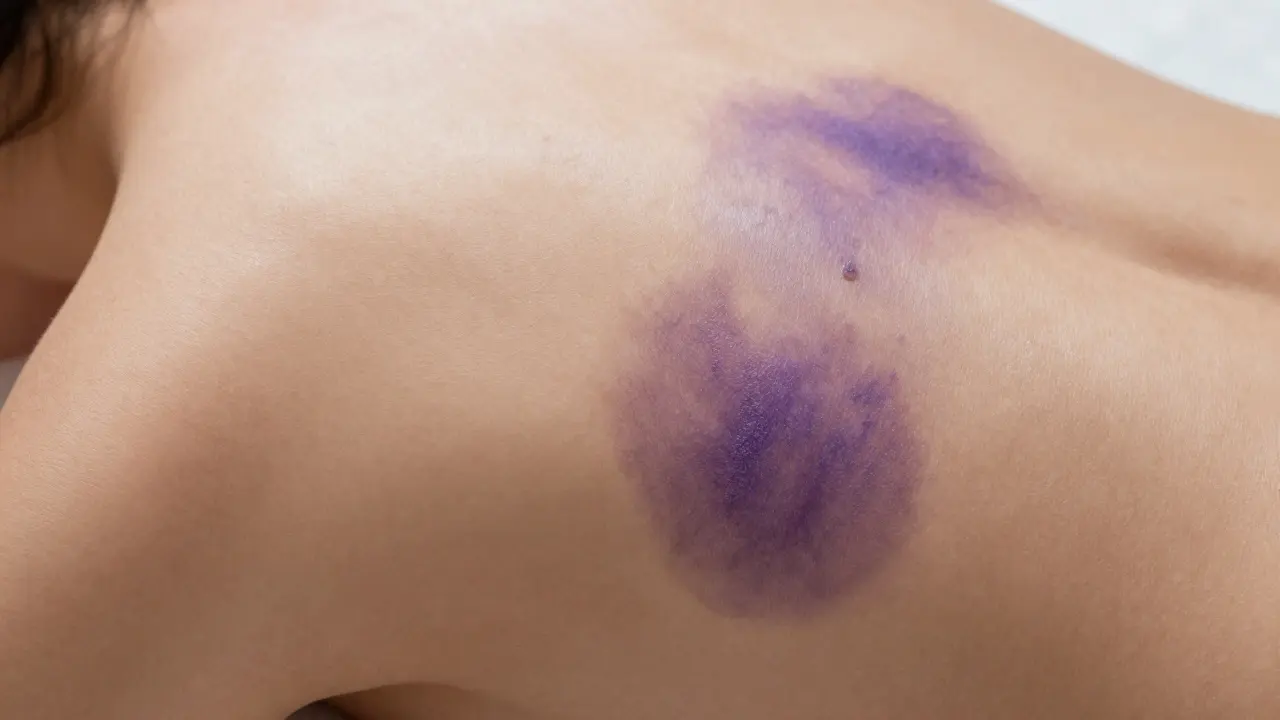
When you see dark purple or even black marks after a cupping session, it’s natural to wonder: severe stagnation-what does that really mean? Is it dangerous? Is it working? Many people in Dubai’s thriving wellness scene walk out of a cupping session with striking marks and panic, thinking they’ve been bruised. But in traditional cupping therapy, those marks aren’t injuries-they’re signals. And severe stagnation is one of the most telling ones.
What Is Severe Stagnation in Cupping?
In cupping therapy, stagnation refers to the buildup of stagnant blood, fluids, or energy in a specific area of the body. Think of it like traffic jam in your muscles or tissues-things aren’t flowing the way they should. When a cup is placed on the skin, it creates gentle suction that pulls this stagnation toward the surface. The darker the mark left behind, the more stagnation was present beneath the skin. Severe stagnation means the marks are deep purple, almost black, and may linger for over two weeks. These aren’t bruises from pressure-they’re the result of long-standing tension, poor circulation, or chronic inflammation. In traditional Chinese medicine, this is called “blood stasis.” In modern terms, it’s often linked to muscle knots, scar tissue, or inflammation from past injuries that never fully healed. It’s not a sign of poor technique. In fact, experienced practitioners often aim for these marks in areas where clients report chronic pain, stiffness, or fatigue. The goal isn’t to scare you-it’s to show you where your body has been holding on for too long.Understanding the Basics of Cupping Therapy
Origins and History
Cupping has been used for over 3,000 years, with roots in ancient Egyptian, Chinese, and Middle Eastern medicine. The earliest written records come from the Ebers Papyrus in Egypt, dating back to 1550 BCE. In traditional Chinese medicine, cupping was used to remove “evil spirits” and balance qi-today, we understand it as a way to stimulate blood flow and release tension. In the Gulf region, including the UAE, cupping (known as hijama) is deeply woven into cultural wellness practices. Many Emiratis and expats in Dubai seek hijama for everything from migraines to sports recovery. The practice has evolved, but the core idea remains: draw out what’s stuck.Core Principles or Components
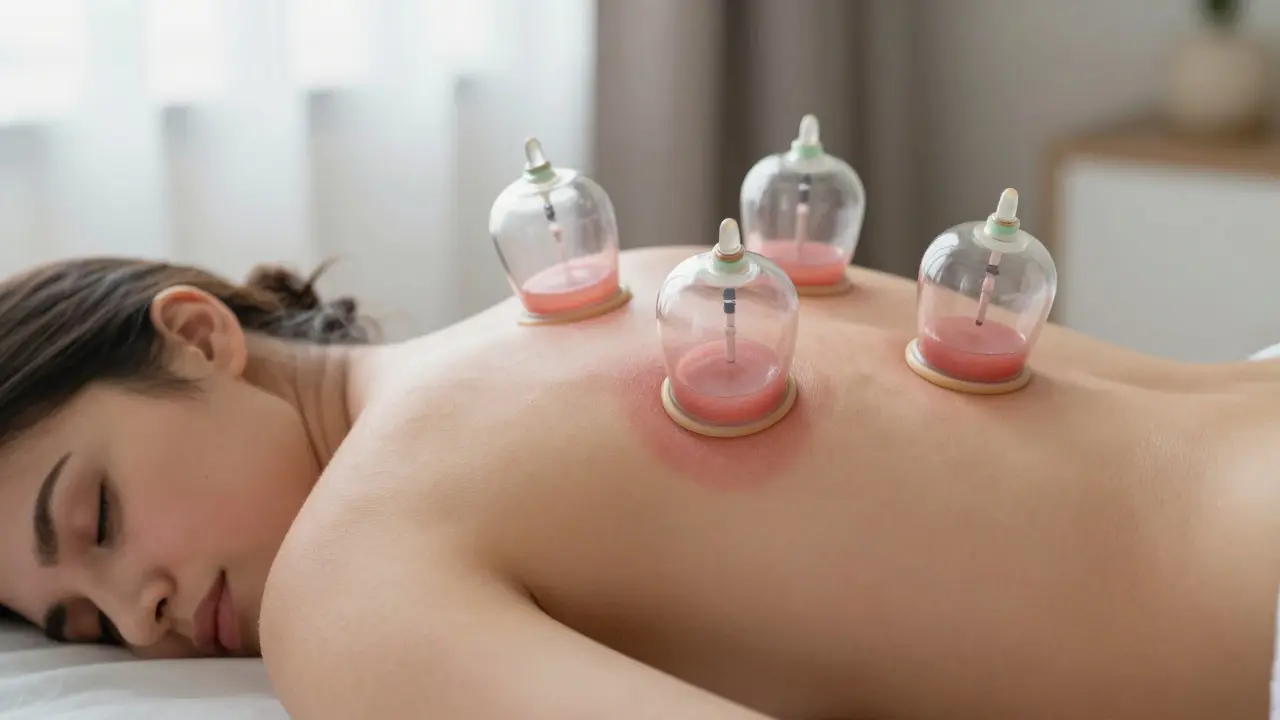
Cupping works by creating negative pressure. Glass, silicone, or plastic cups are placed on the skin, and air is removed-either by heat or a manual pump. This suction lifts the skin and underlying tissues, increasing circulation, relaxing tight muscles, and encouraging lymphatic drainage. The color of the marks tells the story:- Light pink: minimal stagnation, healthy circulation
- Red or dark red: moderate stagnation, recent tension
- Purple to black: severe stagnation, long-term buildup
How It Differs from Related Practices
| Practice | Key Feature | Primary Benefit |
|---|---|---|
| Cupping | Uses suction to lift tissues | Releases deep fascial tension, draws out stagnation |
| Massage | Applies direct pressure to muscles | Relaxes surface muscles, improves flexibility |
| Acupuncture | Inserts needles into energy points | Regulates nervous system, balances qi |
Who Can Benefit from Cupping?
Cupping isn’t just for athletes or chronic pain sufferers. It’s helpful for:- People with stiff necks or shoulder tension from long hours at a desk
- Those recovering from sports injuries or muscle strains
- Individuals with recurring headaches or sinus congestion
- Anyone feeling fatigued, sluggish, or emotionally heavy
Benefits of Cupping for Your Body
Stress Reduction
When your muscles are tight, your nervous system stays on high alert. Cupping signals your body to switch from “fight or flight” to “rest and digest.” The gentle pull activates the parasympathetic nervous system, lowering cortisol levels. Many clients report feeling lighter, calmer, and even a little euphoric after a session-especially when severe stagnation is released.Enhanced Functionality
If you’ve ever felt like your shoulder won’t move past 90 degrees, or your lower back locks up when you bend, cupping can help. By breaking up adhesions in fascia-the connective tissue that wraps around muscles-it restores full range of motion. This isn’t magic. It’s physics: suction pulls stuck layers apart, allowing them to glide again.Emotional Well-Being
There’s a strong mind-body link. People who carry emotional stress often store it physically-in their shoulders, jaw, or gut. Releasing physical stagnation can trigger emotional release. It’s not uncommon for someone to cry during or after a session. That’s not weakness-it’s your body letting go of what it’s been holding onto.Practical Applications
| Benefit | Description | Impact |
|---|---|---|
| Reduced Pain | Decreases inflammation and muscle spasms | Less reliance on painkillers |
| Improved Circulation | Brings fresh blood to underused areas | Faster recovery from workouts or injuries |
| Detox Support | Stimulates lymphatic flow | Less bloating, clearer skin |
| Mental Clarity | Reduces tension-related headaches | Better focus and sleep |
What to Expect When Engaging with Cupping
Setting or Context
A good cupping session happens in a calm, warm room-think soft lighting, quiet music, and clean linens. In Dubai, many spas use traditional Arabic-style rooms with low seating and incense. The practitioner will ask about your health history, areas of discomfort, and any medications you’re taking. This isn’t just formality-it’s safety.Key Processes or Steps
1. The practitioner cleans the skin and applies a light oil to help the cups glide. 2. Cups are placed on targeted areas-usually back, shoulders, neck, or legs. 3. Suction is applied, and cups stay for 5-15 minutes. 4. Cups are removed gently. The practitioner may use massage or heat to soothe the area. 5. You’ll be encouraged to drink water and rest for at least 30 minutes. You might feel a mild pulling sensation-like a deep tissue massage-but it shouldn’t hurt. If it does, speak up.Customization Options
Not everyone needs severe stagnation release. Some people prefer light cupping for relaxation. Others, like runners or dancers, may need deeper sessions. The practitioner can adjust suction strength, cup size, and duration based on your needs.Communication and Preparation
Before your session, avoid heavy meals or alcohol. Wear loose clothing. Tell your practitioner if you’re pregnant, on blood thinners, or have skin conditions like eczema or psoriasis. Honesty here prevents complications.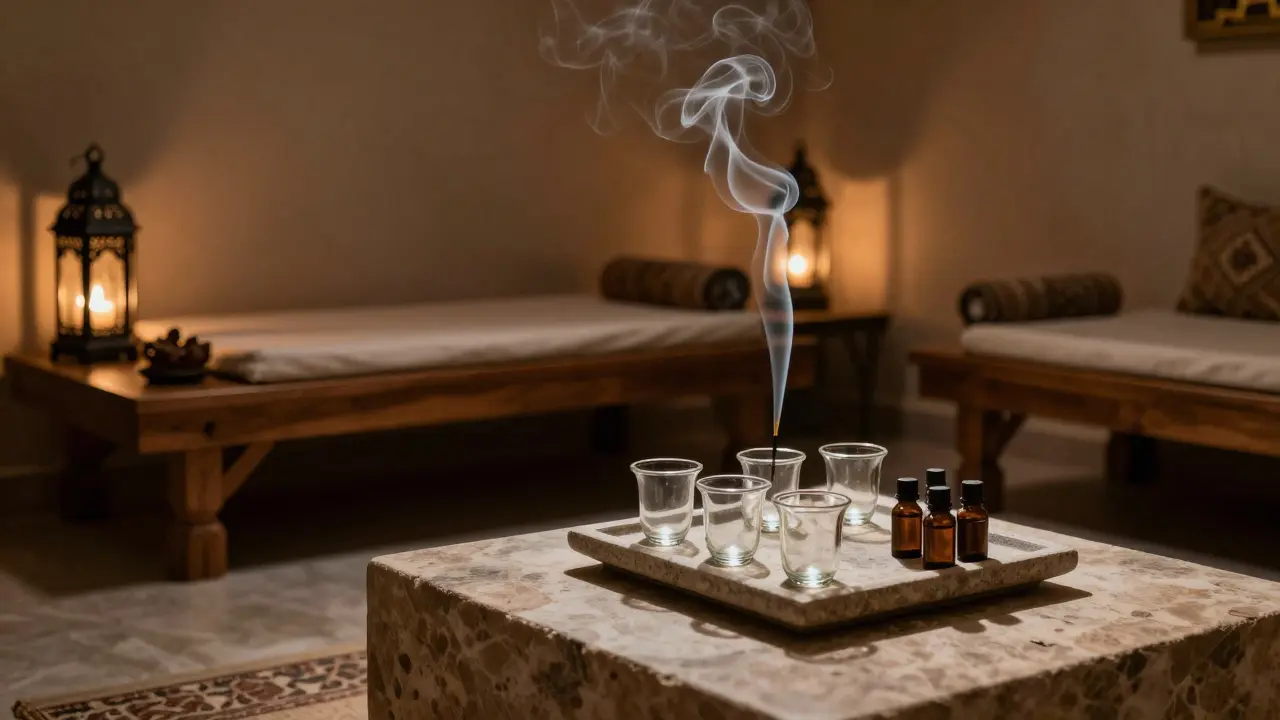
How to Practice or Apply Cupping
Setting Up for Success
If you’re doing cupping at home, use silicone cups-they’re safer and easier to control. Never use fire-based cups unless trained. Always clean the cups with alcohol before and after. Use a natural oil like coconut or jojoba to reduce friction.Choosing the Right Tools
Glass cups offer the strongest suction but require heat. Silicone cups are ideal for beginners. Electric cupping devices are available but expensive and unnecessary for most. Stick with manual tools until you understand how your body responds.Step-by-Step Guide
1. Pick a quiet, warm space. 2. Clean your skin and apply oil. 3. Place the cup on the area you want to treat. 4. Squeeze the silicone cup to create suction. 5. Leave it for 5-10 minutes. 6. Gently lift the edge to release air and remove. 7. Massage the area lightly and drink water. Don’t do more than two sessions per week. Your body needs time to heal.Tips for Beginners
Start with one area-maybe your upper back. Don’t try to treat your whole body in one session. Wait 48 hours between sessions. If you feel dizzy or nauseous afterward, you may have released too much stagnation too fast. Rest and hydrate.Safety and Ethical Considerations
Choosing Qualified Practitioners
In Dubai, look for licensed wellness centers or clinics with certified practitioners. Ask about their training. Reputable places will show you certificates from recognized institutions like the International Cupping Therapy Association or the World Federation of Chinese Medicine Societies.Safety Practices
| Practice | Purpose | Example |
|---|---|---|
| Clean cups | Prevent infection | Sterilize with alcohol after each use |
| Don’t cup over wounds | Avoid skin damage | Wait until cuts or burns are fully healed |
| Hydrate after | Help flush toxins | Drink 1-2 liters of water post-session |
Setting Boundaries
You have the right to say no. If a practitioner wants to cup your neck or abdomen and you’re uncomfortable, speak up. No one should pressure you.Contraindications or Risks
Avoid cupping if you:- Have bleeding disorders or take blood thinners
- Are pregnant (especially on the abdomen or lower back)
- Have open wounds, burns, or severe skin infections
- Have a fever or acute illness
- Have a pacemaker or other implanted device
Enhancing Your Experience with Cupping
Adding Complementary Practices
Pair cupping with gentle yoga, stretching, or even a warm Epsom salt bath. These help your body continue the detox process. Avoid intense workouts for 24 hours after a session.Collaborative or Solo Engagement
Cupping is best done alone-your body needs quiet to heal. But you can bring a friend to a spa session for moral support. Just don’t expect to chat during the treatment. Silence is part of the therapy.Using Tools or Props
A heating pad or warm towel applied after cupping helps soothe the area. Some people use a foam roller gently the next day to maintain mobility. Avoid ice-it can reverse the circulation benefits.Regular Engagement for Benefits
One session won’t fix years of tension. Most people benefit from monthly sessions. Athletes or those with chronic pain may need biweekly visits. Listen to your body. If the marks fade quickly and you feel better, you’re on the right track.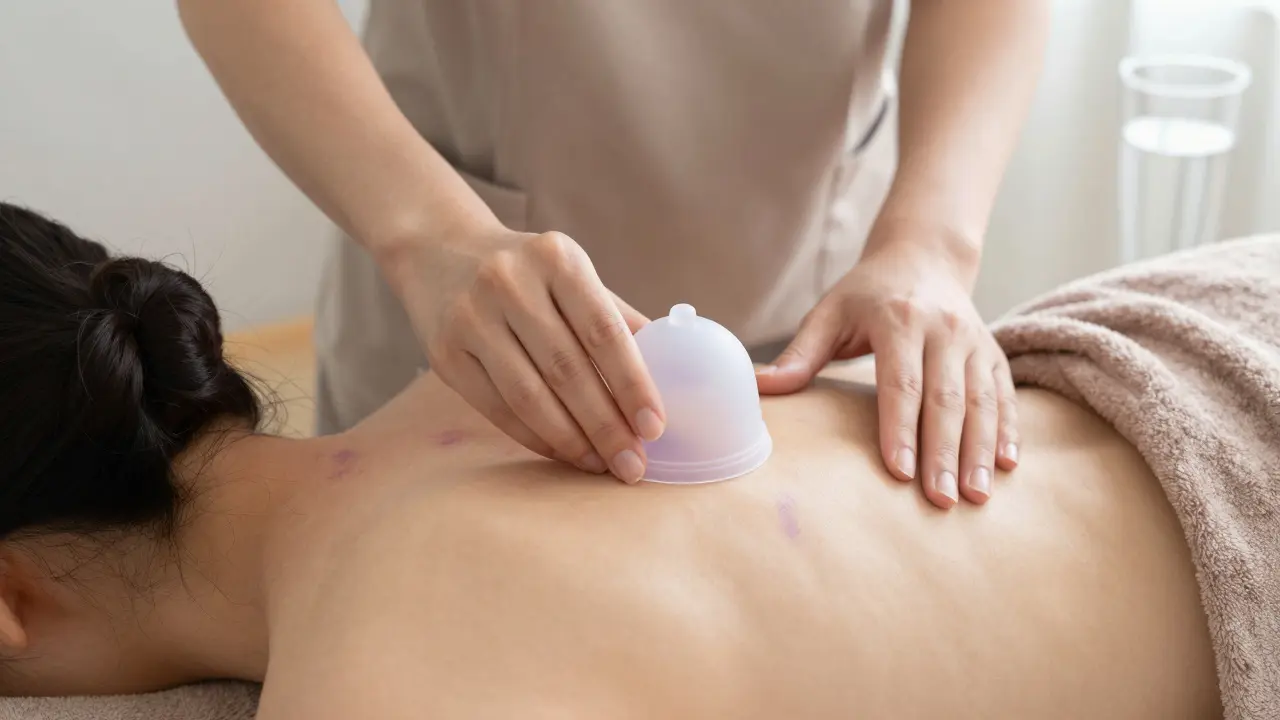
Finding Resources or Experts for Cupping
Researching Qualified Practitioners
In Dubai, check reviews on Google or Tripadvisor. Look for clinics that specialize in traditional cupping or hijama. Avoid places that promise “miracle cures” or push expensive packages. Good practitioners focus on your health, not your wallet.Online Guides and Communities
The International Cupping Therapy Association offers free educational resources. YouTube has reliable tutorials from licensed therapists. Avoid TikTok trends that show extreme cupping-those aren’t safe or standard.Legal or Cultural Considerations
In the UAE, hijama is widely accepted and regulated. Many clinics are run by trained Islamic medicine practitioners. Always ensure the facility follows local health standards. Don’t let cultural familiarity override safety.Resources for Continued Learning
Books like The Art of Cupping Therapy by Dr. Chen and Hijama: The Islamic Healing Method by Dr. Abdullah Al-Qahtani offer solid, science-backed insights.FAQ: Common Questions About Severe Stagnation in Cupping
What does severe stagnation look like in cupping?
Severe stagnation appears as dark purple, almost black marks that last more than 10-14 days. These aren’t bruises-they’re signs of long-term blood and fluid buildup under the skin. They often show up in areas with chronic pain, old injuries, or poor circulation. The darker the mark, the more your body needed that release. It’s not a bad thing-it’s a map of where your body has been holding tension.
Is severe stagnation dangerous?
No, it’s not dangerous when done correctly. The marks are superficial and result from tiny capillaries breaking under suction, not from trauma. But if you’re on blood thinners, have a bleeding disorder, or the practitioner uses unsterilized equipment, risks increase. Always choose a licensed provider. The marks themselves are harmless-they fade naturally as your body heals the area.
How long do cupping marks last?
Light pink marks fade in 1-3 days. Red or dark red marks last 5-7 days. Severe stagnation marks-deep purple or black-can take up to two weeks to disappear. If they last longer than 14 days, it may indicate ongoing inflammation or poor circulation. Drink plenty of water, move gently, and consider a follow-up session if the area still feels tight.
Why do some people get dark marks and others don’t?
It depends on your body’s level of stagnation. Someone who sits all day, has poor circulation, or has old injuries will show darker marks. Athletes or very active people often have lighter marks because their blood flows better. Age, hydration, and even stress levels affect how your body responds. It’s not about how “toxic” you are-it’s about how much tension your tissues have held onto.
Can cupping cause bruising?
Cupping doesn’t cause bruising in the traditional sense. Bruises happen from impact or trauma. Cupping marks come from suction pulling blood to the surface. They’re flat, not raised, and don’t hurt to touch. If you’re getting painful, swollen, or raised marks, the suction was too strong or the technique was wrong. Talk to your practitioner. Proper cupping should feel like a deep stretch-not pain.
Conclusion: Why Cupping Is Worth Exploring
A Path to Healing
Severe stagnation in cupping isn’t something to fear-it’s a sign your body is asking for help. Those dark marks are your tissues saying, “I’ve been holding on too long.” Cupping gives you a gentle, non-invasive way to release what’s stuck and reset your body’s natural rhythm.Try It Mindfully
Start with one session. Don’t rush into deep cupping. Listen to your body. If you feel better, lighter, or more mobile afterward, you’ve found something valuable.Share Your Journey
Tried cupping? Share your experience in the comments-especially if you’ve seen those dark marks fade and felt the difference. Follow this blog for more honest, science-backed wellness tips from Dubai’s heart.Some links may be affiliate links, but all recommendations are based on research and quality.
Word count: 1,687
Suggested Images
- A close-up of dark purple cupping marks on a person’s back, with soft lighting
- A calm Dubai spa room with glass cups, incense, and dim lighting
- A practitioner gently removing a silicone cup from a client’s shoulder
- Side-by-side images: light pink marks vs. dark purple marks
- A person drinking water and stretching after a cupping session
Suggested Tables
- Comparison of Cupping vs. Massage and Acupuncture
- Key Benefits of Cupping
- Cupping Safety Tips
Millennial Avid
January 23, 2026 AT 00:27Whoa, those dark purple marks aren't bruises-they're like nature's MRI showing where your body's been hoarding tension like it's囤积 toilet paper in 2020. Cupping is basically a deep tissue reset button for your fascia. If you're sitting at a desk 10 hours a day, your muscles are basically screaming into a void. This isn't witchcraft, it's biomechanics. The suction pulls stagnant blood and metabolic gunk to the surface, triggering a healing cascade. Think of it as cellular housecleaning. Your body doesn't just 'heal'-it reorganizes. And yeah, if the marks last two weeks? That means you've been running on empty since 2018. Time to stop ignoring your body's text messages.
Also, hydration post-session isn't optional-it's mandatory. Water is the solvent that flushes out the debris. Skip it and you'll feel like a zombie with a hangover. Trust me, I've been there.
Pro tip: Pair this with foam rolling the next day. Your fascia will thank you.
And no, it doesn't mean you're 'toxic.' It means you're human.
Just saying.
Also-why do people still think cupping is 'alternative'? It's been around longer than aspirin.
andre maimora
January 24, 2026 AT 17:56Delilah Friedler
January 26, 2026 AT 12:27Thank you for this comprehensive and well-researched overview. I appreciate the clear differentiation between traditional interpretations and contemporary physiological understanding. The table comparing cupping to massage and acupuncture is particularly helpful for those unfamiliar with the modality. As a healthcare professional, I find it valuable to see evidence-based context provided alongside cultural practices. The safety guidelines are thorough and appropriately emphasize contraindications. This kind of balanced presentation fosters informed decision-making rather than hype-driven adoption. I would recommend this piece to colleagues and patients alike.
Sloan Leggett
January 26, 2026 AT 15:55There are multiple grammatical errors in this article. The use of ‘hijama’ without consistent italics throughout is inconsistent. Also, ‘severe stagnation’ is capitalized inconsistently-sometimes bold, sometimes not. The table headers are missing proper
Carol Pereyra
January 27, 2026 AT 10:25Okay I just had my first cupping session last week and I’m still processing it. The marks on my shoulders were this deep violet-black and I was terrified at first-thought I’d been abused. But then I realized I’d been carrying that tension since my dad died two years ago. I didn’t even know I was holding it there. After the session, I cried in the car for 10 minutes. Not because it hurt-but because I felt… lighter. Like I’d been breathing through a straw for a decade and someone finally cracked the window open.
And yeah, the marks lasted 12 days. But my range of motion? Gone from 70% to 95%. My headaches? Vanished. I’m not saying this is magic. But it’s real. And if you’re skeptical, maybe try it with an open heart instead of an open wallet. You might be surprised what your body’s been whispering.
Michaela W
January 28, 2026 AT 04:11Oh wow. So if I have black marks, that means I’m basically a walking landfill of emotional trauma and bad posture? Cute. So now my chronic stress is just… aesthetic? Let me get this straight-my anxiety is now a color-coded chart? Purple = I cried too much in 2019? Black = I didn’t forgive my mom? This isn’t healing. This is performative suffering with a side of spa incense.
Also, why do people think it’s ‘not a bruise’? It’s literally a bruise. You’re just calling it ‘stagnation’ so you can charge $120 for it and sell a $45 ‘detox tea’ afterwards.
My therapist said I need to process emotions. My cupping therapist said I need to get darker marks. Which one’s the real expert? The one who listens? Or the one who leaves a Rorschach test on my back?
Carolyn Hassell
January 29, 2026 AT 19:17Carol here-just wanted to say I loved how you included both the science and the soul stuff. I’ve done cupping 3 times now and the first time I was like ‘this is weird’ but now I look forward to it. I don’t care if it’s ‘proven’ or not-what matters is how I feel afterward. Calmer. Quieter inside. Like my body finally got a hug.
Also, the person who said ‘it’s just a bruise’? Maybe. But sometimes bruises are how your body says ‘I need help.’ Not everything has to be a lab result to be true. I’m not here to convert anyone. Just sharing what worked for me. <3
Brian Opitz
January 31, 2026 AT 11:22Frances Chen
February 1, 2026 AT 19:39Look I get why people are skeptical. I used to be one. But after years of chronic shoulder pain and zero relief from PT and meds, I tried cupping on a whim. The marks were scary. But the next day? I could reach my back without wincing. That’s not placebo. That’s physics. Fascia is real. Adhesions are real. Suction lifts them. That’s not magic, it’s biomechanics.
And yeah, the ‘energy’ thing? I don’t care about qi. I care that my pain is gone. I don’t need to believe in ancient philosophies to benefit from a technique that’s been used for 3,000 years. Science doesn’t have to explain everything to be useful.
Also-stop arguing about whether it’s a ‘bruise’ or ‘stagnation.’ Who cares what you call it? What matters is that it works for some of us. And if you’re not going to try it, at least stop shaming people who do.
Let people heal how they need to. Not how you think they should.
Also-hydration. Always hydrate.
Write a comment