
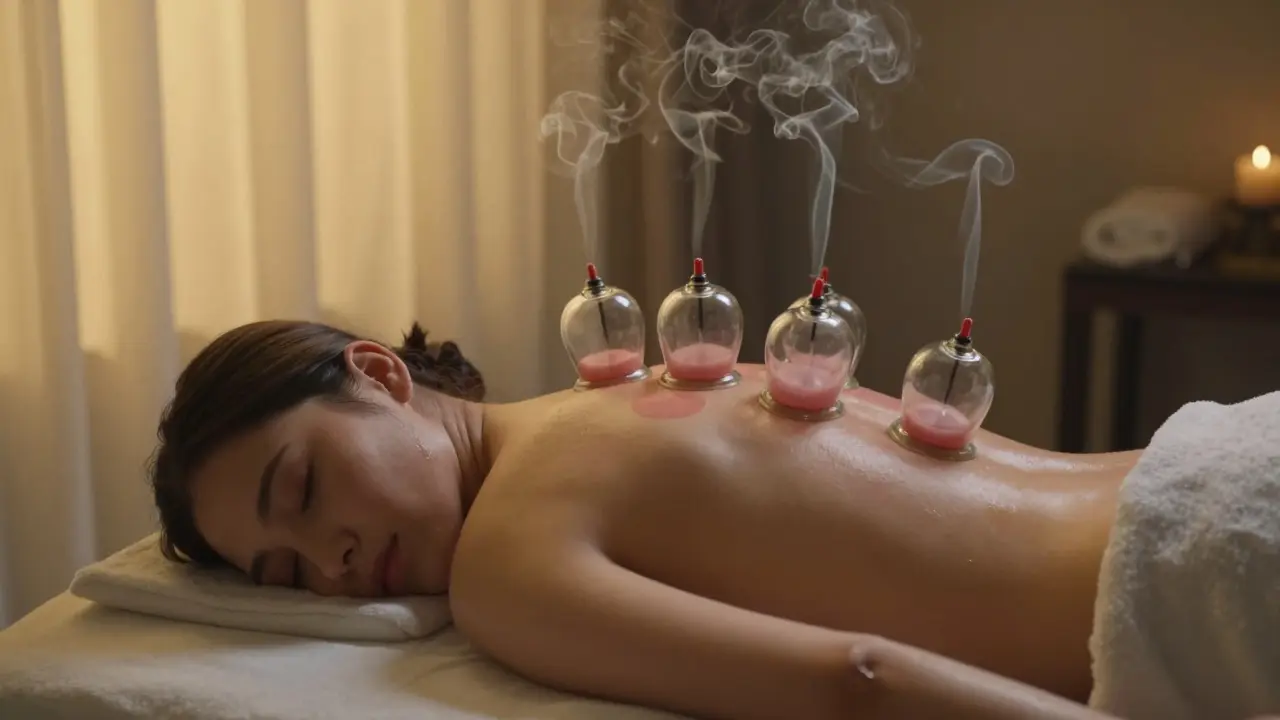
Why Can't You Shower After Cupping? The Science and Tradition Behind the Rule
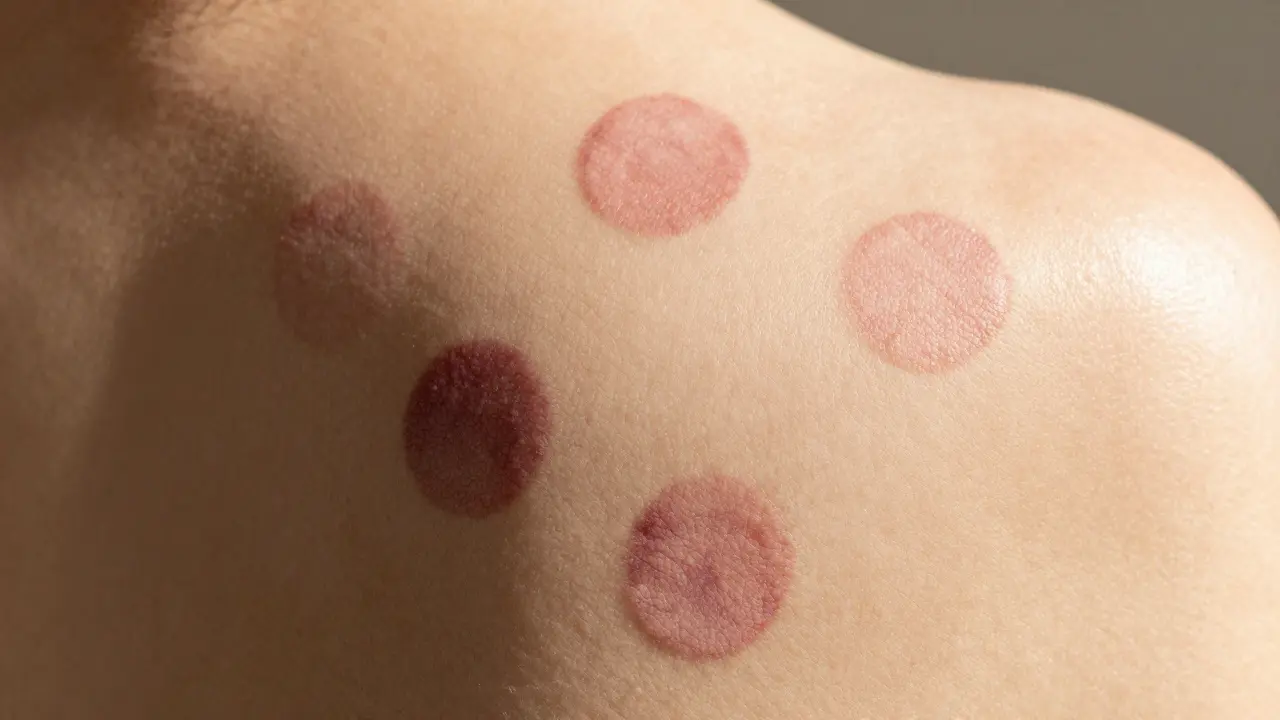
When you walk out of a cupping session, your skin might look like you’ve been kissed by a bruised butterfly-dark circles, red marks, maybe even a little swelling. It’s startling, but normal. And then comes the question everyone asks: Why can't you shower after cupping? It’s not just an old wives’ tale. There’s real logic behind waiting, and ignoring it might undo some of the benefits you just paid for.
Understanding the Basics of Cupping
Origins and History
Cupping therapy has roots stretching back over 3,000 years-to ancient Egypt, China, and the Middle East. Traditional Chinese Medicine used it to draw out "evil spirits" and balance qi, while early Greek physicians like Hippocrates applied it to treat lung conditions. In the Gulf region, including Dubai, cupping (known as "hijama") is deeply woven into cultural wellness practices, often performed after Friday prayers or during seasonal changes. Today, it’s used not for spirits, but for circulation, pain relief, and detox support. The cups create negative pressure, pulling skin and tissue upward, which increases blood flow to the area.
Core Principles or Components
At its heart, cupping works by stimulating local circulation. The suction pulls blood to the surface, bringing oxygen and nutrients while helping flush out metabolic waste. This is why you see those circular marks-they’re not bruises from injury, but pooled blood and fluid rising to the surface. The therapy also gently stretches fascia, releases muscle tension, and can calm the nervous system. Dry cupping uses suction only; wet cupping includes small incisions to draw out a tiny amount of blood. Both require time for the body to rebalance after the session.
How It Differs from Related Practices
Many people confuse cupping with massage, acupuncture, or foam rolling. Here’s how it stacks up:
| Practice | Key Feature | Primary Benefit |
|---|---|---|
| Cupping | Creates suction to lift tissue | Improves circulation and releases fascial tension |
| Massage | Applies pressure to compress tissue | Relaxes muscles and reduces knots |
| Acupuncture | Inserts fine needles into meridians | Regulates energy flow and nervous system response |
Who Can Benefit from Cupping?
Cupping isn’t just for athletes or chronic pain sufferers. People in Dubai’s humid climate use it to ease stiffness from long hours in air-conditioned offices. Those with tight shoulders from driving in traffic, or headaches from screen fatigue, often find relief. It’s also popular among individuals managing stress, poor sleep, or recurring muscle soreness. But it’s not for everyone-those with bleeding disorders, skin infections, or pregnant women should avoid it unless cleared by a doctor.
Benefits of Cupping for Your Body
Improved Circulation
The suction pulls blood to the surface, which triggers your body’s natural healing response. More blood flow means more oxygen and nutrients delivered to tired muscles. It also helps remove lactic acid and other metabolic byproducts that build up after physical exertion. Think of it like flushing out a clogged drain-your tissues get a fresh rinse. Many clients report feeling lighter and less stiff within hours.
Reduced Muscle Tension
When your fascia-the connective tissue wrapping your muscles-gets stuck or tight, it feels like wearing a too-tight sweater. Cupping gently peels that layer away. Unlike massage, which pushes down, cupping lifts up, creating space between tissues. This is especially helpful for people with chronic neck or back pain. In Dubai, where many sit for hours in cars or at desks, this release can be life-changing.
Calming the Nervous System
Cupping doesn’t just work on your muscles-it talks to your nervous system. The gentle pull activates the parasympathetic response, the part of your body that says, "It’s safe to relax." This is why many people feel deeply calm after a session, sometimes even sleepy. For those dealing with anxiety or insomnia, this effect can be as valuable as the physical relief.
Detox Support (Not Magic, But Real)
"Detox" is a buzzword, but in cupping, it’s not about sweating out toxins. It’s about helping your lymphatic system move. The increased circulation encourages fluid movement, which supports your body’s natural waste removal. It’s not a magic cleanse, but it does give your system a nudge. That’s why you’re told to drink water afterward-your kidneys need hydration to do their job.
What to Expect When Engaging with Cupping
Setting or Context
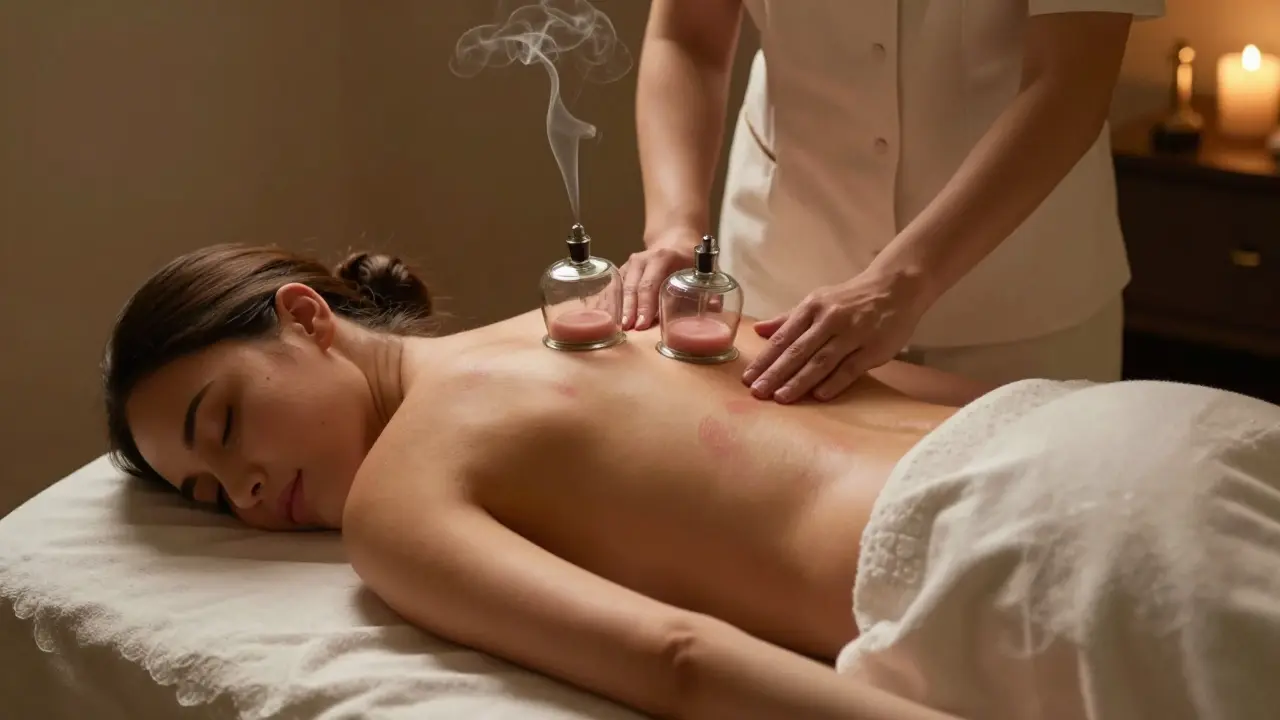
In Dubai, cupping is often done in quiet, dimly lit rooms with calming scents-rose or sandalwood oils are common. The table is warm, the music soft. You’ll lie face down or on your side, depending on where the cups are placed. The practitioner uses glass, silicone, or bamboo cups, applying suction with a pump or flame (in traditional methods). The whole session lasts 20 to 40 minutes. You might feel a mild pulling sensation, but it shouldn’t hurt.
Key Processes or Steps
Here’s what happens in a typical session:
- You’re asked to relax and breathe deeply.
- Cups are placed on targeted areas-back, shoulders, neck, or legs.
- Suction is applied and left for 5-15 minutes.
- Cups are removed gently, and the skin is checked.
- Optional: Light massage or heat application to soothe the area.
Afterward, you’ll likely feel a sense of warmth and lightness-almost like you’ve been unplugged from stress.
Customization Options
Cupping isn’t one-size-fits-all. You can choose dry vs. wet, light vs. deep suction, or focus on specific areas. Some clinics offer cupping with essential oils or heat therapy. In Dubai, many practitioners tailor sessions to climate-related issues-like post-air-conditioning stiffness or fatigue from desert heat. Always communicate your goals: pain relief? Relaxation? Recovery from exercise?
Communication and Preparation
Before your session, drink water. Avoid heavy meals. Tell your practitioner if you’re on blood thinners, have sensitive skin, or are menstruating. Afterward, wear loose clothing. The marks can be surprising, so don’t be embarrassed-this is normal. And yes, they fade in a few days.
Why You Shouldn’t Shower Right After Cupping
Open Pores and Temperature Shock
After cupping, your skin is warm and your pores are open. That’s because the suction increases blood flow and stimulates the skin’s surface. Jumping into a hot shower right away-especially in Dubai’s dry heat-can cause a sudden temperature shift. Your body is trying to regulate itself, and a hot shower can overstimulate the system, leading to dizziness, chills, or even fainting.
Increased Risk of Infection
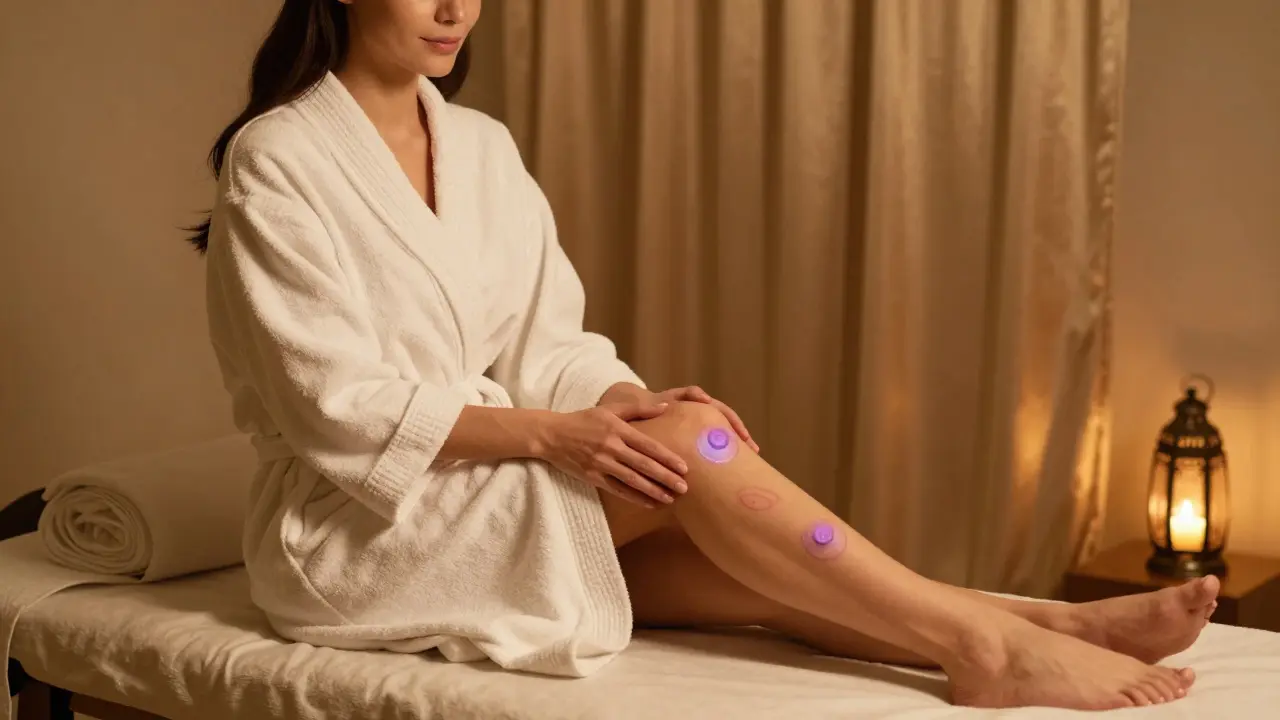
Even in dry cupping, the skin is slightly irritated. Water, especially if it’s chlorinated or hard (as it often is in Dubai), can introduce bacteria or irritants into the micro-trauma created by suction. Wet cupping involves tiny incisions-showering too soon can expose those to contamination. Waiting 4-6 hours gives your skin time to seal naturally.
Washing Away the Healing Response
That redness? It’s not a flaw-it’s your body’s healing response in action. The increased circulation brings immune cells to the area. A hot shower, especially with strong soaps or scrubs, can wash away the natural oils and inflammatory signals your body is using to repair tissue. Think of it like peeling off a bandage too early-you’re disrupting the process.
What About a Quick Rinse?
If you’re sweaty or uncomfortable, a lukewarm, quick rinse is okay after 2-3 hours. But avoid hot water, scrubbing, or saunas. Pat dry gently. No exfoliants, no Epsom salts, no ice packs. Let your body do its work.
How to Care for Your Skin After Cupping
Hydrate, Hydrate, Hydrate
Drink at least 1-2 liters of water in the 6 hours after your session. Your kidneys are working harder to flush out the debris stirred up by increased circulation. Dehydration can make you feel sluggish or headachy-exactly what cupping is meant to prevent.
Keep It Warm and Covered
Dubai nights can get cool, even in summer. Avoid air conditioning blasts directly on the cupped areas. Wear a light cotton top or wrap. Cold air on sensitive skin can cause muscle tightening, undoing the relaxation you just achieved.
Use Gentle Skincare
For the next 24 hours, skip harsh soaps, scrubs, or essential oils on the marked areas. A mild, fragrance-free cleanser is fine after 6 hours. Moisturize with a simple cream-aloe vera or coconut oil can soothe without irritating.
Rest, Don’t Rebound
Don’t hit the gym, go for a long walk, or do yoga right after. Your body is in repair mode. Light stretching is fine, but intense movement can strain the tissues still recovering. Give yourself the evening to rest. You’ll thank yourself tomorrow.
Safety and Ethical Considerations
Choosing Qualified Practitioners
In Dubai, cupping is regulated under the Dubai Health Authority. Look for clinics with licensed therapists, preferably those trained in Traditional Chinese Medicine or Hijama certification. Ask to see their credentials. Avoid street vendors or unlicensed spas-sterility matters.
Safety Practices
Here’s what a safe session looks like:
| Practice | Purpose | Example |
|---|---|---|
| Sterile cups | Prevent infection | Single-use silicone or sterilized glass |
| Disinfectant before application | Reduce skin bacteria | Alcohol swabs on target areas |
| No cupping on open wounds | Avoid contamination | Wait until cuts or rashes heal |
Setting Boundaries
It’s your body. If the suction feels too strong, say so. If you feel dizzy or nauseous, tell your practitioner immediately. A good therapist will adjust on the spot. Never feel pressured to endure pain for "better results."
Contraindications or Risks
Don’t get cupping if you have:
- Bleeding disorders or are on blood thinners
- Severe skin conditions (eczema, psoriasis)
- Pregnancy (especially on the abdomen or lower back)
- Fever or active infection
- Recent surgery or fractures
When in doubt, consult your doctor.
Enhancing Your Experience with Cupping
Adding Complementary Practices
Pair cupping with gentle yoga, breathwork, or a warm herbal tea. In Dubai, many wellness centers offer cupping followed by a calming herbal steam or aromatherapy. Avoid caffeine or alcohol for 6-8 hours after-it can dehydrate you and interfere with recovery.
Collaborative or Solo Engagement
Cupping is usually a solo experience. But some couples in Dubai enjoy booking back-to-back sessions and relaxing together afterward with herbal tea. It’s a quiet, shared ritual-no talking, just presence.
Using Tools or Props
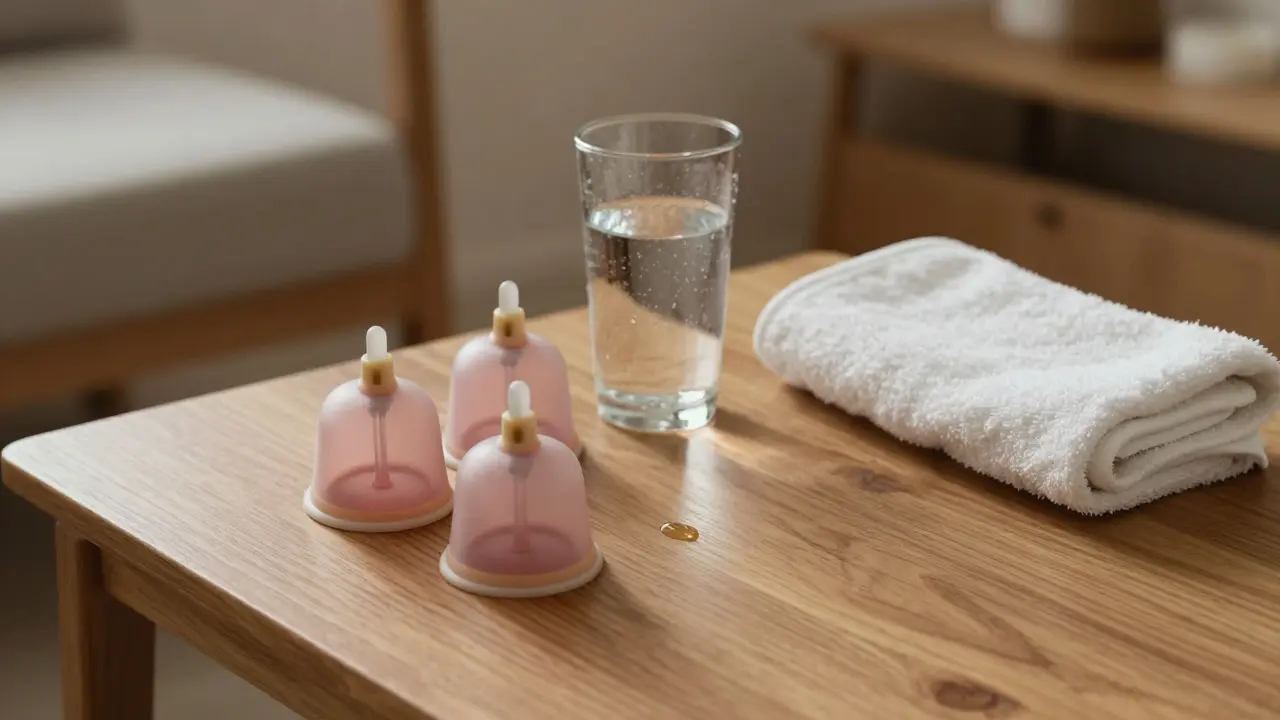
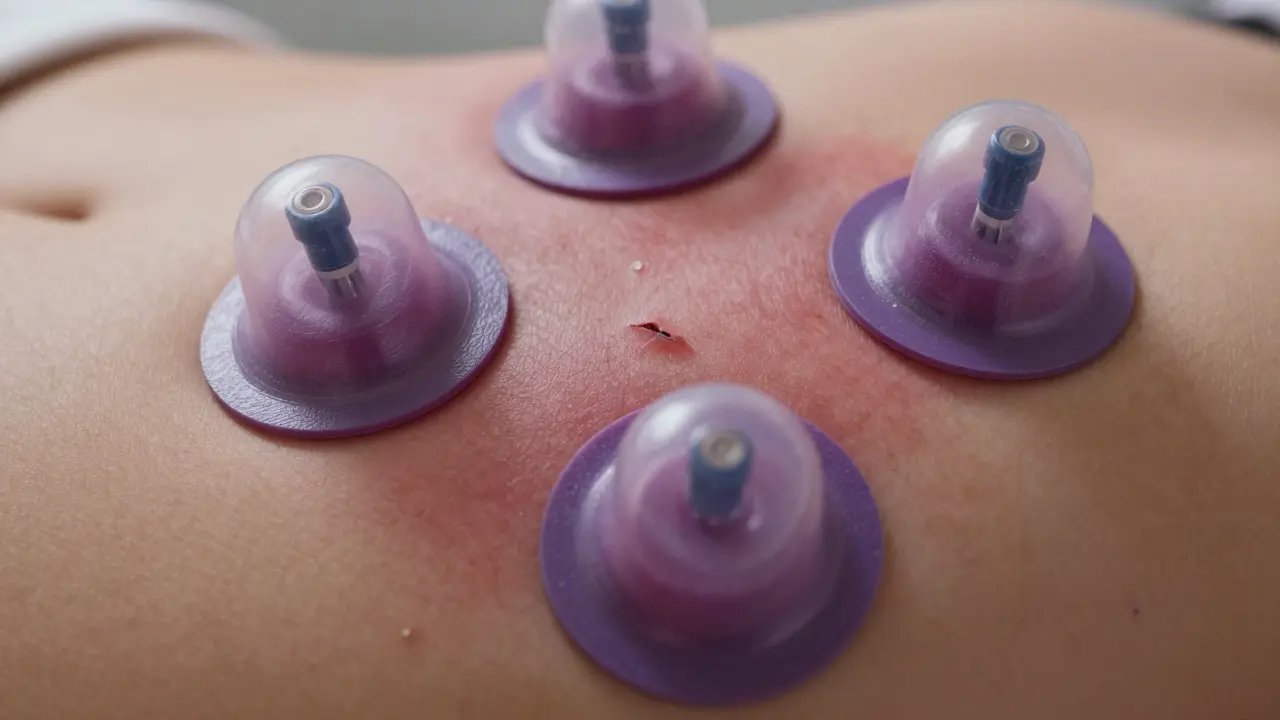
At home, you can use silicone cupping sets for minor muscle tension. But for deep work, leave it to professionals. Home kits are fine for legs or arms, but avoid the spine, neck, or face without training.
Regular Engagement for Benefits
Most people benefit from monthly sessions. Athletes or those with chronic pain might go every 2-3 weeks. Overdoing it can irritate the skin. Listen to your body-if you feel overly sensitive or tired after a session, space them out.
Finding Resources or Experts for Cupping
Researching Qualified Practitioners
Check the Dubai Health Authority’s website for licensed wellness centers. Read reviews that mention hygiene, communication, and aftercare advice-not just "it felt good." A good practitioner will explain why you shouldn’t shower right after.
Online Guides and Communities
Look for resources from the World Health Organization’s Traditional Medicine section or reputable integrative health sites. Avoid TikTok "hacks"-cupping isn’t a quick fix.
Legal or Cultural Considerations
In Dubai, cupping is widely accepted and practiced, especially among expats and locals alike. However, wet cupping (hijama) has religious significance for some Muslims. If you’re unsure, ask your practitioner about their approach-it’s respectful and informative.
Resources for Continued Learning
Books like "The Cupping Therapy Bible" by Dr. Chen or "Hijama: The Prophetic Medicine" by Dr. Muhammed Al-Amin offer solid, science-backed insights. Avoid sensationalized e-books promising "miracle cures."
FAQ: Common Questions About Cupping
Why can’t you shower after cupping?
After cupping, your skin is more sensitive and your pores are open due to increased blood flow. Showering too soon-especially with hot water-can cause temperature shock, increase infection risk, and wash away the body’s natural healing signals. Waiting 4-6 hours lets your skin recover and your circulation stabilize. A quick lukewarm rinse after 2-3 hours is okay if you’re sweaty, but avoid scrubbing or using strong soaps on the marked areas.
What happens to the skin after cupping?
The circular marks aren’t bruises-they’re areas where capillaries have broken slightly under suction, causing blood to pool under the skin. This is a normal part of the process and indicates increased circulation. The color varies from light pink to dark purple, depending on your body’s toxins and circulation levels. These marks fade in 3-10 days and don’t hurt. They’re not scars, and they’re not dangerous.
Is cupping safe for everyone?
No. People with bleeding disorders, skin infections, or who are pregnant should avoid it. Those on blood thinners, with recent injuries, or active fevers should also skip it. Always consult your doctor if you have chronic conditions. In Dubai, licensed clinics screen clients before treatment. If a practitioner doesn’t ask about your health history, walk away.
How often should you get cupping?
For general wellness, once a month is ideal. Athletes or those with chronic pain may benefit from every 2-3 weeks. Overdoing it can lead to skin irritation or fatigue. Listen to your body-if you feel drained after a session, wait longer. Consistency matters more than frequency. One well-timed session is better than three rushed ones.
Can you do cupping at home?
Silicone cupping kits are safe for self-use on large muscle groups like thighs or back. But avoid the spine, neck, face, or abdomen without training. Home cupping won’t match the depth or precision of a professional. And never attempt wet cupping at home-it requires sterile tools and medical knowledge. If you’re unsure, stick to professional sessions.
Conclusion: Why Cupping is Worth Exploring
A Path to Deeper Recovery
Cupping isn’t a miracle cure, but it’s one of the few therapies that actually helps your body heal itself-not by force, but by invitation. It’s gentle, natural, and deeply effective for modern stressors: tight shoulders, poor sleep, sluggish circulation. In Dubai’s fast-paced environment, it’s a quiet act of self-care that doesn’t require a prescription.
Try It Mindfully
If you’re curious, start with one session. Choose a licensed clinic. Ask questions. Don’t rush. And yes-wait to shower. That small pause is part of the healing.
Share Your Journey
Tried cupping? Share your experience in the comments-how did you feel the next day? What surprised you? Follow this blog for more practical wellness tips from Dubai’s quiet corners.
Some links may be affiliate links, but all recommendations are based on research and quality.
Word count: 1,732
Suggested Images
- A person lying on a massage table with glass cups on their back, soft lighting, calm expression.
- Close-up of circular cupping marks on skin, natural light, no blood or open wounds.
- Hand holding a silicone cupping set next to a glass of water and a towel on a wooden table.
- Spa room in Dubai with dim lights, incense, and a cupping session in progress.
- Before-and-after skin comparison (faded marks after 5 days).
Suggested Tables
- Comparison of Cupping, Massage, and Acupuncture
- Cupping Safety Checklist
- Key Benefits of Cupping (Benefit, Description, Impact)
Ross Silvis
January 28, 2026 AT 19:48Also, the article says 'detox support' like it's not a buzzword. Bro, your kidneys don't need a nudge. They're literally designed to filter blood. You're not cleaning out 'toxins'-you're just making your skin look like a bruised grapefruit.
Schechter Donovan
January 29, 2026 AT 18:27Also, the marks? They look scary but they’re not bruises. My mom used to do hijama in Pakistan and always said, 'Let the skin breathe.' I just wore an old tank top and chilled with herbal tea. Zero drama.
Also, side note: if your practitioner doesn’t ask about your meds, run. I’ve seen too many people ignore that.
Anant Raj Bharti
January 30, 2026 AT 02:54Also, the comparison table between cupping, massage, and acupuncture is accurate. Cupping is mechanotransduction via negative pressure, not just 'pulling.' It's biomechanical, not mystical.
And yes, Dubai's hard water? Definitely a risk factor for irritation. I've seen cases where people developed folliculitis after showering too soon. Stay hydrated, stay warm, and don't scrub. Simple.
Meghan Horn
January 30, 2026 AT 19:12And I waited 7 hours to shower because I didn’t want to ruin it. I just wiped off with a warm towel and sipped ginger tea. Best. Night. Ever.
Also, the marks faded in 4 days and I didn’t even care. They were my little battle scars of self-care. 💖
Franklin Lopez Silverio
January 31, 2026 AT 15:00I used to think it was all placebo until I had a 12-hour flight and came back with a neck that felt like concrete. One session, waited the 6 hours, drank my water, slept like a baby. Next day? I could turn my head without wincing.
Don’t overthink it. Don’t overdo it. Just listen. Your body’s been trying to tell you this for centuries.
And yeah, don’t shower right after. It’s not about toxins. It’s about letting your body finish its quiet, beautiful work.