
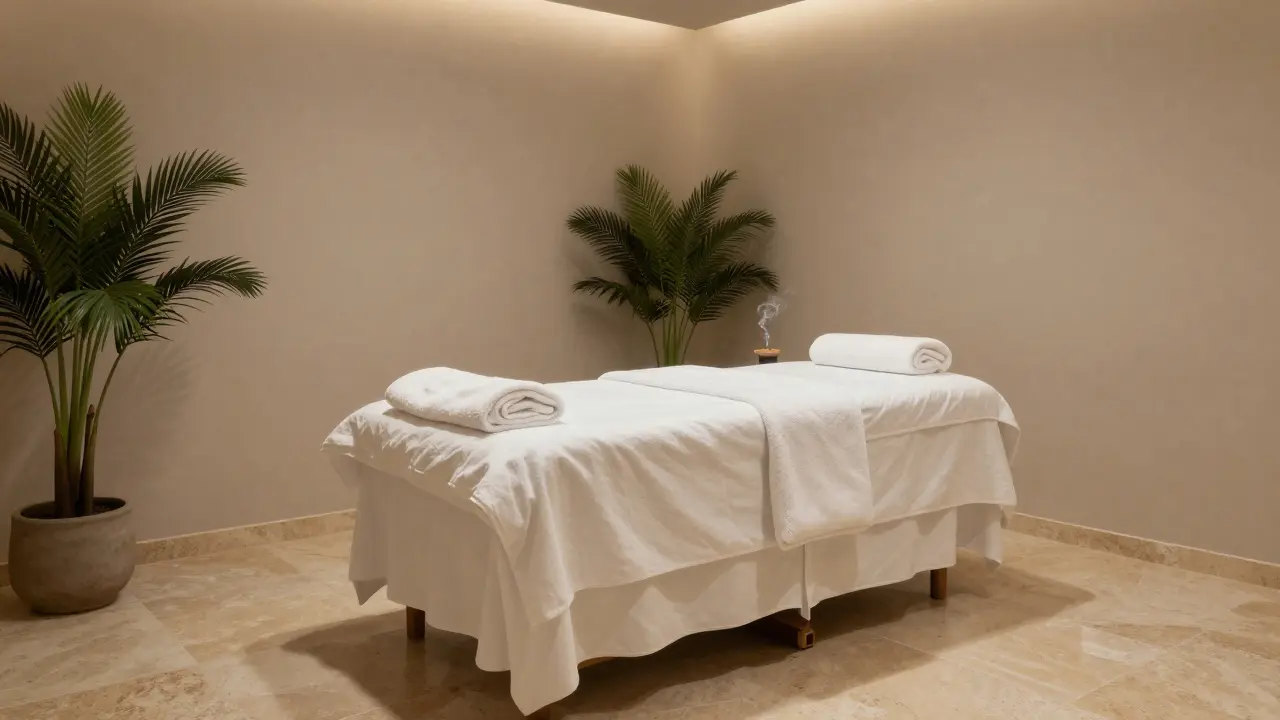
When you're stuck in Dubai’s heat, traffic, or high-pressure work life, your body doesn’t just feel tired-it holds on. Muscles tighten. Shoulders climb toward your ears. Breathing gets shallow. That’s when massage in Dubai stops being a luxury and becomes a necessity. But not all massages are made equal. If you’re asking how to release so as with massage, you’re not just looking for a rubdown-you’re seeking real, lasting relief. And in a city full of spas, knowing how to choose the right kind of massage-and how to let go during it-is the key.
Understanding the Basics of Massage in Dubai
Origins and History
Massage isn’t new. Ancient Egyptians used it for healing. Traditional Chinese medicine tied pressure points to energy flow. The Greeks and Romans turned massage into part of daily wellness. In Dubai, these traditions blend with modern techniques. You’ll find Swedish strokes next to Thai stretches, and hot stone therapy beside Arabic oil rituals. What’s unique here isn’t the origin-it’s the fusion. Dubai’s spas pull from global practices but tailor them to the desert climate, the pace of city life, and the cultural need for privacy and dignity. This isn’t just about relaxation. It’s about restoring balance in a place where life moves fast.
Core Principles or Components
Effective massage in Dubai isn’t about hitting hard. It’s about rhythm, pressure, and intention. The core principles are simple: release tension, improve circulation, and reset the nervous system. Deep tissue targets knots in muscles. Swedish uses long, flowing strokes to calm. Thai massage adds gentle stretching. Shiatsu applies finger pressure along energy lines. The goal? To tell your body, “It’s safe to relax now.” That’s when the real release happens-not when the therapist presses harder, but when your muscles finally let go.
How It Differs from Related Practices
People often confuse massage with physiotherapy or chiropractic care. They’re related, but different. Physiotherapy fixes injuries with exercises and movement. Chiropractic adjusts bones. Massage works on soft tissue-muscles, tendons, fascia. Here’s how they stack up:
| Practice | Key Feature | Primary Benefit |
|---|---|---|
| Massage | Hands-on soft tissue manipulation | Reduces muscle tension, lowers cortisol |
| Physiotherapy | Exercise-based rehabilitation | Restores mobility after injury |
| Chiropractic | Spinal joint adjustments | Improves nerve function, reduces pain |
| Acupuncture | Needles on energy meridians | Regulates energy flow, reduces inflammation |
Who Can Benefit from Massage in Dubai?
Everyone. Office workers with stiff necks. New moms carrying babies. Athletes recovering from training. Travelers jet-lagged from long flights. Even people who think they’re “too busy” for massage-especially them. The truth? The people who need it most are often the ones who skip it. If you carry stress in your shoulders, jaw, or lower back, massage helps. You don’t need a medical reason. You just need to feel it.
Benefits of Massage in Dubai for Body and Mind
Stress Reduction
Stress isn’t just in your head-it’s in your muscles. When cortisol spikes, your body stays on high alert. Massage lowers cortisol by up to 30% within one session, according to general wellness research. At the same time, it boosts serotonin and dopamine-the feel-good chemicals. In Dubai, where the pace never slows, this reset is powerful. One client told me she came in after a 16-hour workday and left crying-not from pain, but because she finally felt safe enough to let go. That’s the quiet magic of massage.
Enhanced Functionality
Tight muscles don’t just hurt-they limit movement. A stiff shoulder makes reaching for your phone awkward. Tight hips make walking uncomfortable. Massage loosens fascia, the connective tissue that wraps around muscles. When that’s freed, movement becomes smoother. Athletes swear by it. But so do people who just want to bend down to tie their shoes without groaning. Better movement means better daily life.
Emotional Well-Being
Massage doesn’t just touch your body-it touches your mood. The rhythm of touch triggers the parasympathetic nervous system, the part that says, “You’re safe.” In a city where people often feel anonymous, a skilled therapist gives you 60 minutes of undivided attention. That alone can lift depression. Many clients report sleeping better, feeling less anxious, and even smiling more after regular sessions. It’s not a cure for mental health issues-but it’s a powerful support tool.
Practical Applications
Think of massage as maintenance, not repair. Just like you change your car’s oil, your body needs regular tune-ups. In Dubai’s heat, dehydration and sitting all day make tension worse. A monthly massage keeps you moving freely. It helps with jet lag after long flights. It eases pregnancy discomfort. It helps you recover faster after a weekend of hiking in Hatta. It’s not just therapy-it’s a practical part of living well here.
| Benefit | Description | Impact |
|---|---|---|
| Stress Reduction | Lowers cortisol, increases serotonin | Calmer mind, better sleep |
| Improved Mobility | Loosens fascia and tight muscles | Easier movement, less pain |
| Recovery Support | Boosts circulation to tired muscles | Faster recovery after exercise |
| Emotional Reset | Creates safe space for release | Reduced anxiety, improved mood |
What to Expect When Engaging with Massage in Dubai
Setting or Context
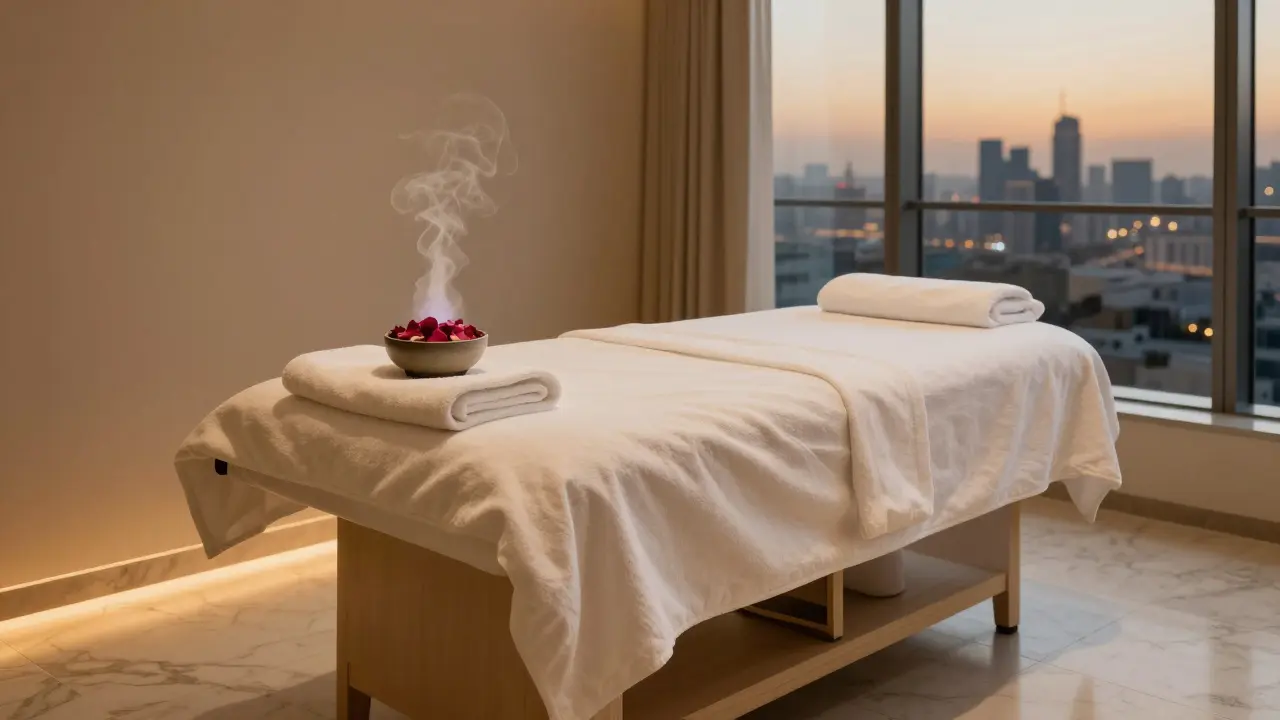
Forget the cliché image of a steamy, candlelit room. Dubai’s best spas are clean, quiet, and modern. Think soft lighting, natural materials, calming music, and the scent of frankincense or eucalyptus. Many places offer private suites with changing rooms and showers. The environment is designed to help you disconnect-from your phone, your thoughts, your to-do list. You’re not just getting a massage. You’re stepping into a pause button.
Key Processes or Steps
Here’s what usually happens: You’ll fill out a quick form about injuries or preferences. The therapist will ask how you’d like the pressure-light, medium, or firm. You’ll undress to your comfort level and lie under a towel. They’ll leave the room while you get settled. Then, they’ll begin with long strokes to warm up your muscles, then move to deeper work where needed. Oil or lotion is used to reduce friction. The session ends with gentle strokes to help you transition back. You’ll be offered water and time to rest before getting up.
Customization Options
One size doesn’t fit all. Need help with sciatica? Ask for focused lower back work. Recovering from surgery? Request lighter pressure. Pregnant? Look for prenatal massage specialists. Want to combine it with aromatherapy? Most places offer essential oil upgrades. In Dubai, therapists are trained to adapt. Don’t be shy-your comfort is the priority.
Communication and Preparation
Speak up. If the pressure is too much, say so. If you’re cold, ask for a blanket. If you don’t like the music, mention it. Most therapists welcome feedback. Arrive 10 minutes early to relax. Skip heavy meals. Drink water before and after. And leave your phone in your locker. This is your time.

How to Practice or Apply Massage in Dubai
Setting Up for Success
If you’re doing self-massage at home, keep it simple. Use a foam roller for your back, a tennis ball for your feet, or a massage gun for tight shoulders. Do it after a warm shower when muscles are loose. Keep it gentle-no pain. Even 10 minutes a day helps.
Choosing the Right Tools/Resources
For professional massage, look for spas with certified therapists. Check if they’re trained in recognized systems like Swedish, deep tissue, or Thai. Read reviews that mention specific benefits-not just “relaxing.” Avoid places that push add-ons aggressively. The best spas in Dubai let you choose your experience, not sell you one.
Step-by-Step Guide
- Decide what you need: stress relief? pain relief? recovery?
- Choose a reputable spa with trained therapists (ask for recommendations)
- Book a session (60-90 minutes is ideal for first-timers)
- Arrive early, hydrate, turn off your phone
- Tell the therapist your goals and any discomfort
- Relax, breathe, let go
- Drink water after and rest for 30 minutes
Tips for Beginners or Couples
First-timers often worry about being naked. You don’t have to be. You’ll be covered with towels the whole time. If you’re coming with a partner, many spas offer side-by-side rooms. It’s a great way to bond. But remember-this isn’t a date. It’s rest. Don’t talk. Just breathe.
Safety and Ethical Considerations
Choosing Qualified Practitioners/Resources
Look for therapists certified by recognized bodies like the International Massage Association or trained in accredited schools. Ask about their experience. Don’t be afraid to interview them briefly before booking. A good therapist will ask you questions-not just start massaging.
Safety Practices
Hygiene matters. Clean sheets, sanitized tools, and handwashing are non-negotiable. Here’s what to watch for:
| Practice | Purpose | Example |
|---|---|---|
| Use fresh linens | Prevent skin infections | Therapist changes sheets between clients |
| Ask for consent | Respect boundaries | Therapist checks in before touching sensitive areas |
| Don’t force pressure | Avoid injury | Therapist adjusts if you say it’s too hard |
Setting Boundaries
Your body, your rules. You can say no to any technique. You can ask for more or less pressure. You can request to keep your underwear on. No therapist should make you feel uncomfortable. If they do, leave. There are plenty of good ones.
Contraindications or Risks
Don’t get a massage if you have a fever, open wounds, blood clots, or recent surgery. If you’re pregnant, avoid deep tissue in the first trimester. Always tell your therapist about medical conditions. If in doubt, check with your doctor first.
Enhancing Your Experience with Massage in Dubai
Adding Complementary Practices
Pair massage with yoga, breathwork, or a quiet walk after. Avoid screens for an hour afterward. Let your body stay in calm mode. Some spas offer tea ceremonies or meditation rooms-take advantage.
Collaborative or Solo Engagement
Massage is deeply personal. Solo sessions help you reconnect with yourself. Couples’ sessions can deepen intimacy-but only if both are there to relax, not to chat or scroll. Let the silence speak.
Using Tools or Props
At home, try a massage roller, warm compress, or Epsom salt bath after your session. These extend the benefits. In spas, heated tables, warm stones, or aromatherapy diffusers add comfort.
Regular Engagement for Benefits
One massage helps. Two helps more. Monthly sessions keep tension from building up. Think of it like brushing your teeth-regular care prevents bigger problems.

Finding Resources or Experts for Massage in Dubai
Researching Qualified Experts
Check Google reviews for mentions of “pain relief,” “professional,” or “relaxing.” Avoid places with only five-star reviews that sound fake. Ask friends or colleagues. Many expats in Dubai have favorite spots they swear by.
Online Guides and Communities
Follow Dubai wellness blogs or Instagram accounts that highlight local spas. Look for content that shows real therapists at work-not just pretty interiors. Real expertise shows in technique, not just lighting.
Legal or Cultural Considerations
Dubai has strict rules about spa etiquette. Modesty is respected. Therapists are trained to work within cultural norms. No inappropriate touching. No flirting. No photos. Keep it professional. That’s part of why the experience feels safe.
Resources for Continued Learning
Books like “The Art of Massage” by John Harvey Kellogg or online courses from the National Certification Board for Therapeutic Massage & Bodywork offer deeper insight. But you don’t need to become an expert to benefit. Just show up.
FAQ: Common Questions About Massage in Dubai
What to expect from massage in Dubai?
You’ll walk into a calm, clean space, be asked about your needs, and then left alone to undress and get comfortable. The therapist will use oil or lotion and work with your body’s rhythm-not force it. You’ll feel pressure, but not pain. Afterward, you’ll feel lighter, calmer, and maybe even a little emotional. That’s normal. Most people leave feeling like they’ve been quietly hugged.
What happens during a massage session?
The session starts with gentle strokes to warm your muscles. Then the therapist moves to areas you’ve mentioned-shoulders, back, legs. They’ll use techniques like kneading, gliding, or deep pressure depending on your needs. You’ll be covered with towels at all times. They’ll check in quietly. The session ends with slow strokes to help you transition. You’ll be offered water and a few minutes to rest before getting dressed.
How does massage in Dubai differ from other cities?
Dubai’s spas combine global techniques with local culture. You’ll find high-end facilities, strict hygiene standards, and therapists trained to respect modesty and privacy. Unlike some places where massage is rushed or overly sexualized, here it’s treated as a wellness practice. The focus is on healing, not performance. That’s why it’s trusted by locals and expats alike.
What is the method of massage in Dubai?
There’s no single method. Most spas use a blend-Swedish for relaxation, deep tissue for knots, Thai for stretching, and hot stone for warmth. The method depends on your goal. A good therapist will customize it. You’re not getting a standard routine-you’re getting a tailored experience based on your body’s needs.
Is massage in Dubai suitable for beginners?
Absolutely. Many first-timers are nervous about what to do or wear. The truth? You don’t need to know anything. Therapists are trained to guide you. Start with a 60-minute Swedish massage-it’s gentle, soothing, and perfect for beginners. You’ll leave feeling better, not confused.
Conclusion: Why Massage in Dubai is Worth Exploring
A Path to Real Relaxation
Massage in Dubai isn’t about luxury-it’s about survival. In a city that never sleeps, your body deserves a chance to rest. It’s not magic. It’s science. It’s touch. It’s permission to let go.
Try It Mindfully
Don’t wait until you’re in pain. Book a session before you hit burnout. Let yourself be held-by hands, by silence, by space. You don’t need to earn it. You just need to show up.
Share Your Journey
Tried massage in Dubai? Share your experience in the comments. Follow this blog for more wellness tips that actually work. And if you’ve found a spot that changed your life-tell us about it.
Some links may be affiliate links, but all recommendations are based on research and quality.
Word count: 1,687
Suggested Images
- A serene, modern Dubai spa room with soft lighting, a massage table, and a towel draped neatly
- A professional therapist using gentle hands on a client’s back, with towels covering the body
- Hands applying warm oil to a client’s shoulders during a Swedish massage
- A couple lying side-by-side on massage tables in a quiet, shared room
- A post-massage client sipping herbal tea in a peaceful lounge area
Suggested Tables
- Comparison of Massage vs. Related Therapies
- Key Benefits of Massage in Dubai
- Massage Safety Tips
Graeme Edwards
December 14, 2025 AT 11:10OMG YES 😍 I did a hot stone + aromatherapy thing in Burj Khalifa Tower Spa last month and my fascia just UNWOUND like a spring. Frankincense oil + 40°C stones = instant zen. Dubai’s spas are next level. No cap. 🙌
jessica zhao
December 15, 2025 AT 22:36There’s a metaphysical layer here that’s rarely acknowledged-massage isn’t just physical release, it’s an act of surrender to temporality. In a city obsessed with speed, allowing another person to hold your tension is radical vulnerability. The body remembers what the mind tries to forget. This isn’t therapy-it’s reclamation.
Rajan Chaubey
December 16, 2025 AT 05:16Incorrect. Massage ≠ physio. You’re conflating soft tissue manipulation with neuromuscular re-education. Deep tissue doesn’t ‘reset’ the nervous system-it modulates nociceptive input via gate control theory. Also, ‘cortisol drops 30%’? Source? Peer-reviewed? Or just spa marketing?
Whitby Burkhart
December 16, 2025 AT 07:57‘So as with massage’? Bro. That’s not even a phrase. Did you mean ‘so as to’? Or ‘how to release tension through massage’? This title is grammatically catastrophic. Fix it. For the love of grammar.
Julia McCarthy
December 17, 2025 AT 13:50Everyone deserves to feel this kind of peace. You don’t need to be broken to deserve a massage. You just need to be human. I started going once a month after my dad passed. Didn’t fix grief. But it gave me space to breathe again. Thank you for writing this.
Jill Norlander
December 18, 2025 AT 11:33This article is dangerously misleading. Claiming massage ‘reduces cortisol by 30%’ without citing a single study is pseudoscientific. Furthermore, the suggestion that massage replaces physiotherapy or chiropractic care is irresponsible. Such claims could deter individuals from seeking evidence-based medical care. This is not wellness-it’s wellness-washing.
Lynn Andriani
December 19, 2025 AT 15:46i just went to this little place in Jumeirah called The Quiet Palm and honestly? it changed my life. the therapist didn’t even talk much, just… knew. i cried. not because it hurt, but because i forgot i could feel safe. also i think i spelled jumeirah wrong lol
Priyam Mittal
December 19, 2025 AT 19:25Bro if you're in Dubai and not getting a massage at least once a month you're doing life wrong 😅 I do Thai + oil every 2 weeks-my back is a new person. Also, try the one near Dubai Mall, they do 90-min sessions with chai after. Best. Investment. Ever. 💪
Jess Williams
December 20, 2025 AT 22:01...and yet, the most profound release isn’t in the pressure of the hands... but in the silence that follows... when the body, having been heard... finally... stops holding its breath... and remembers... how to... be... still...