Traditional Moroccan Spa: What It Is and Why Dubai Loves It
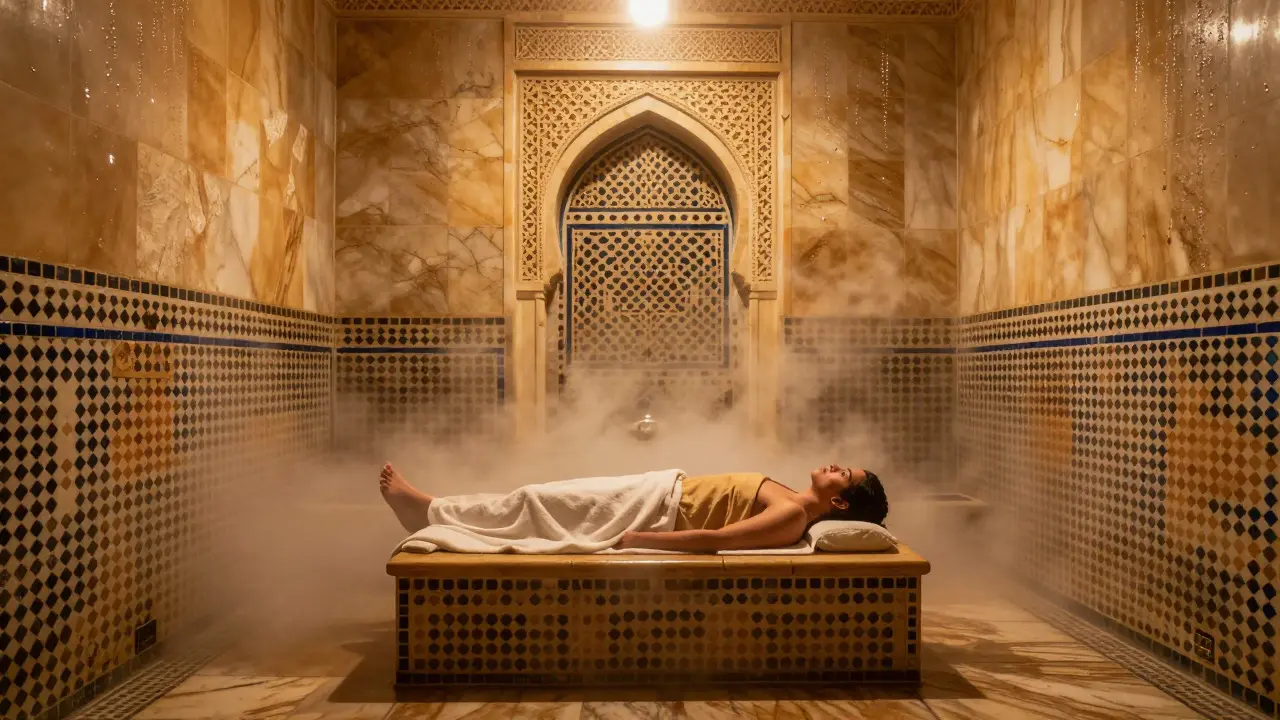
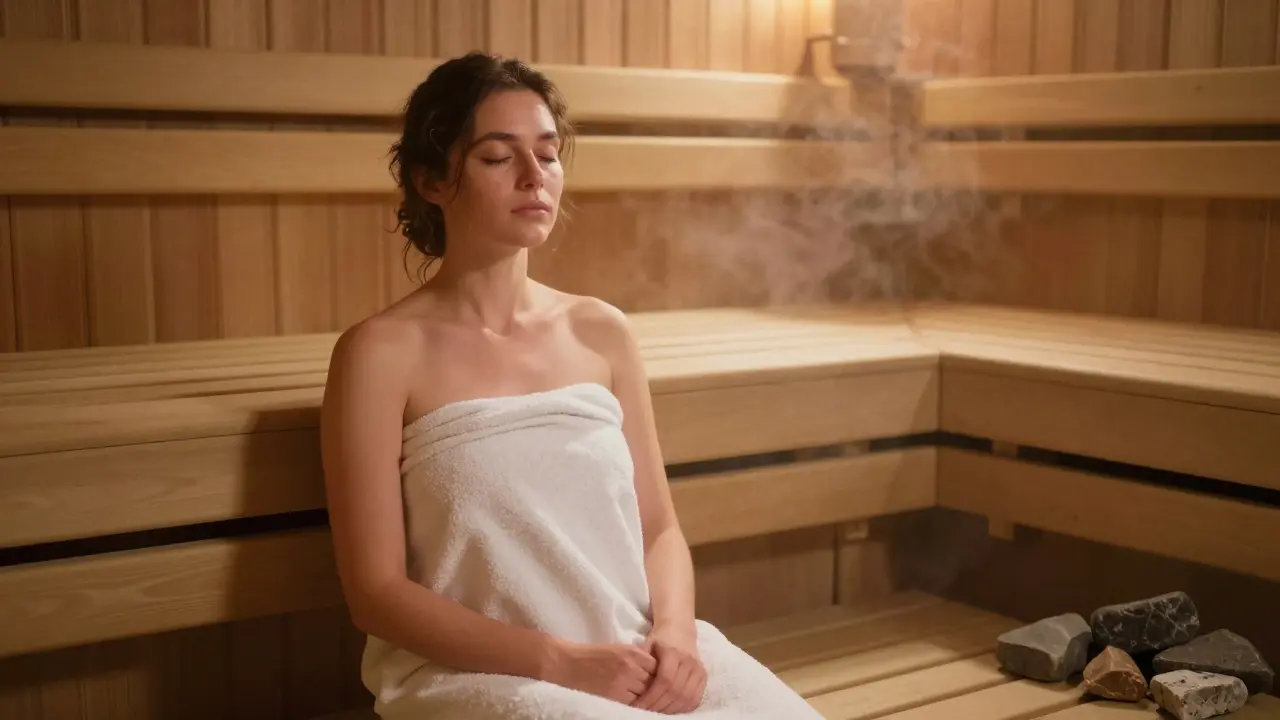
A traditional Moroccan spa, a centuries-old cleansing and relaxation ritual centered around steam, exfoliation, and natural oils. Also known as a hammam, it’s more than a bath—it’s a full-body reset that’s deeply rooted in North African culture and now thriving in Dubai’s luxury wellness scene. Unlike Western spas that focus on massage and silence, a Moroccan spa is social, sensory, and structured: you sweat, scrub, rinse, and repeat—all while wrapped in warmth and steam.
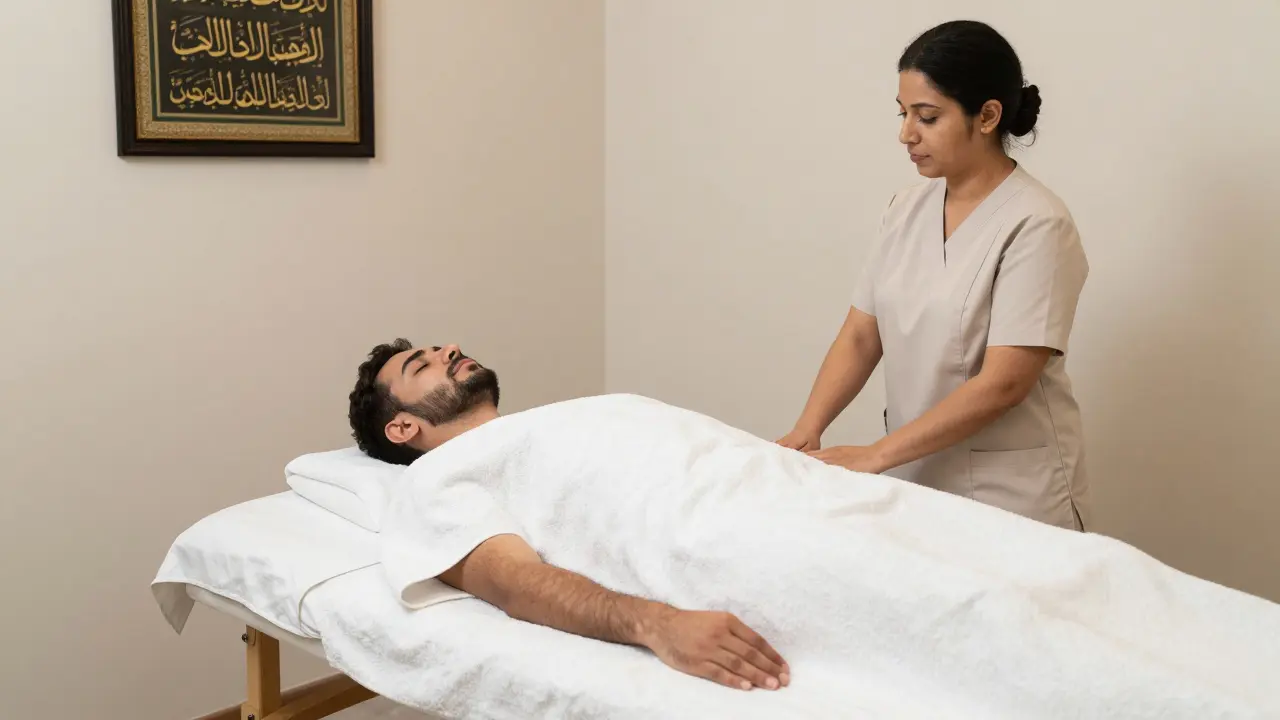
This ritual relies on a few key tools: Moroccan black soap, a thick, olive-oil-based paste made from crushed olives and potassium hydroxide, which softens skin and lifts dead cells; a kessa glove, a rough, woven mitt used to scrub the body with firm, circular motions; and hot water poured over the skin to open pores. These aren’t just products—they’re part of a system designed to purify, not just clean. In Dubai, many spas now offer halal hammam, a version that respects Islamic modesty rules, with separate times for men and women or private rooms for couples and families, making it accessible to Muslim visitors without compromise.
People come to a traditional Moroccan spa in Dubai not just for smooth skin, but for the feeling of renewal. The heat loosens tension, the scrub removes layers of pollution and sweat (a big deal in Dubai’s climate), and the slow pace forces you to slow down. It’s not a luxury—it’s a necessity for anyone who wants to reset after long flights, desert heat, or a busy workweek. You won’t find yoga mats or chimes here. Instead, you’ll hear water splashing, steam hissing, and maybe a therapist calling out, ‘One more rinse?’
What makes this spa style different from Turkish or Thai baths? It’s the soap, the glove, and the rhythm. Turkish hammams use marble slabs and elaborate domes. Thai massage involves stretching and pressure. But the Moroccan hammam? It’s all about the scrub. And if you’ve ever tried to exfoliate with a loofah and ended up red and raw, you’ll understand why this method works: it’s controlled, consistent, and deeply effective.
There are rules too. You don’t rush. You don’t wear jewelry. You don’t eat right before. And you definitely don’t shower immediately after—your skin needs time to absorb the oils left behind. That’s why many people in Dubai visit once a week, especially during summer. It’s not about pampering. It’s about maintenance.
Below, you’ll find real guides from people who’ve been there: how to navigate gender rules, whether it’s allowed in Islam, how often to go, and why black soap is the secret weapon behind glowing skin. No fluff. Just what works in Dubai’s unique mix of tradition and modernity.