

When you hear cupping therapy disadvantages, you might think of red circles on the skin and ancient Chinese medicine. But here’s the truth: cupping isn’t just a trendy spa treatment-it’s a practice with real physical effects, and not all of them are pleasant. While many swear by its pain relief and relaxation benefits, the downsides are rarely discussed in glossy Instagram posts or wellness blogs. If you’re considering cupping, you deserve to know what could go wrong-not just what might feel good.
Understanding the Basics of Cupping Therapy
Origins and History
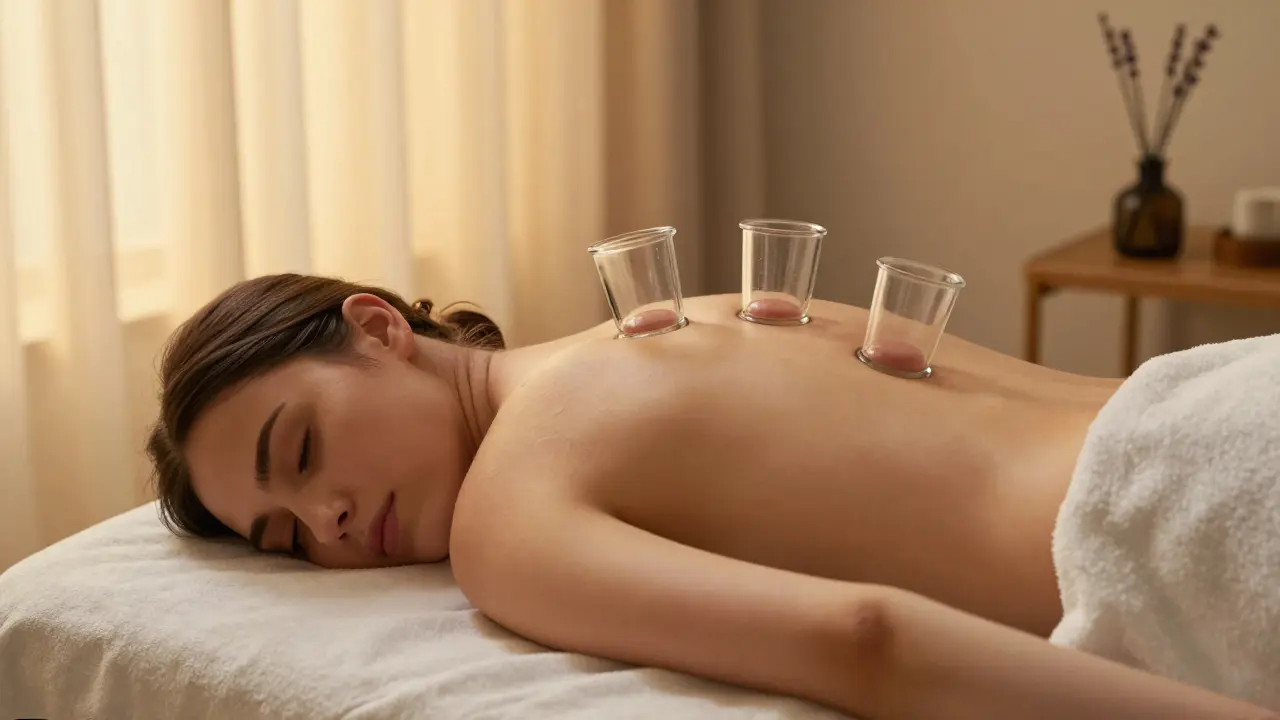
Cupping has been around for thousands of years. Ancient Egyptians used it as early as 1550 BCE, and it became a staple in Traditional Chinese Medicine, Greek medicine, and Middle Eastern healing traditions. In the Gulf region, including Dubai, cupping-known locally as "hijama"-is deeply tied to Islamic prophetic medicine. It’s often performed after prayer or during Ramadan as a detox ritual. The basic idea? Create suction on the skin using glass, bamboo, or silicone cups to draw blood to the surface, supposedly releasing toxins and improving circulation.
Core Principles or Components
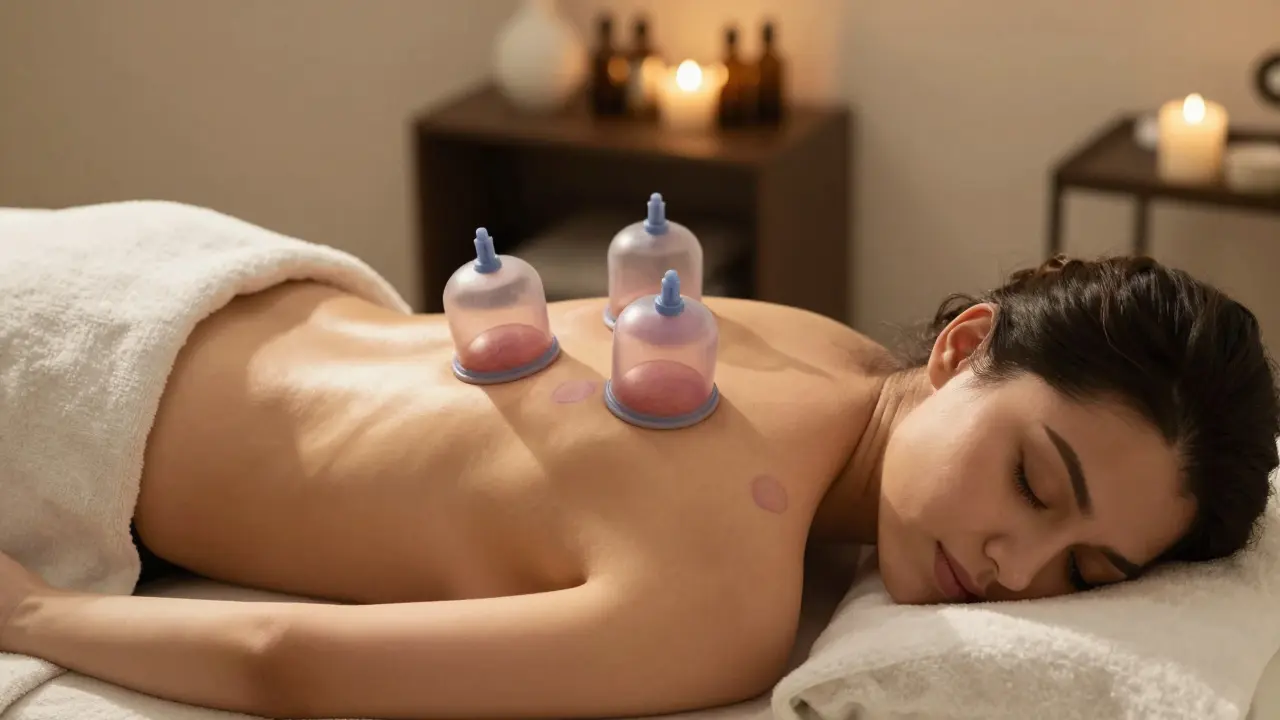
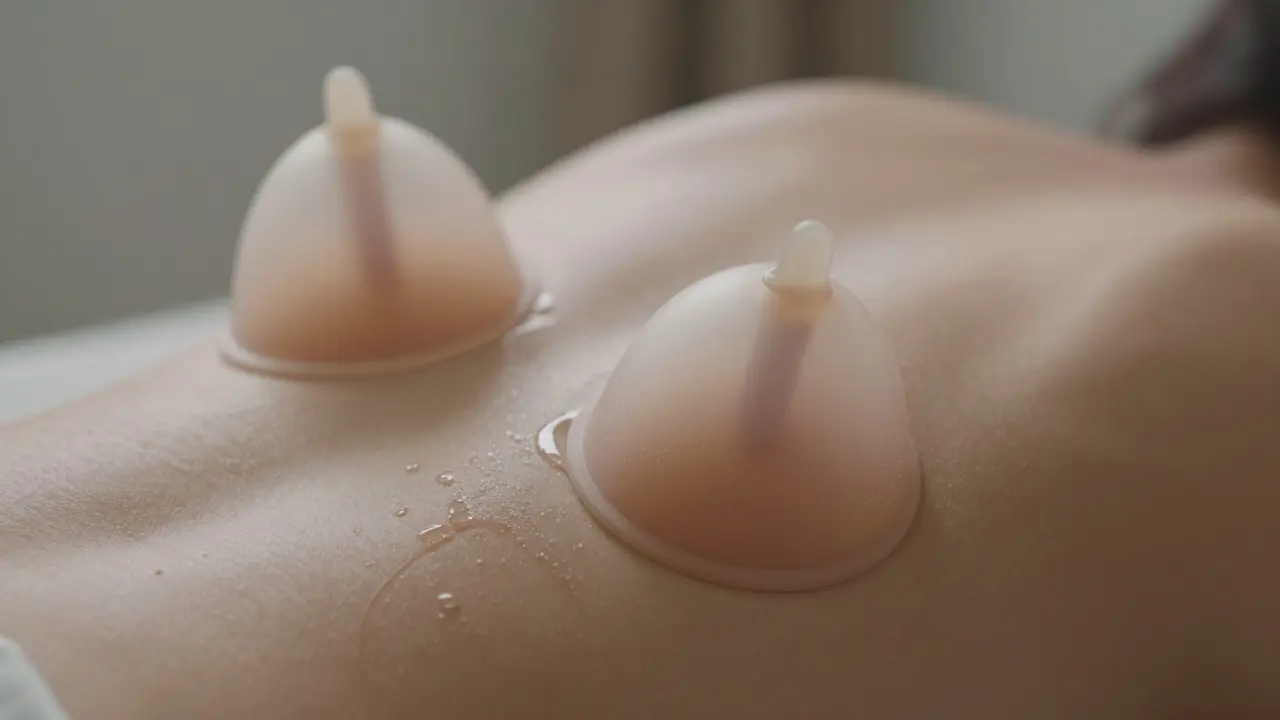
Cupping works through negative pressure. A cup is placed on the skin, and air is removed-either by heat (traditional fire cupping) or a manual pump (modern silicone or plastic cups). This pulls the skin and underlying tissue upward, causing localized blood pooling. Dry cupping leaves the cups in place for 5-15 minutes. Wet cupping involves making tiny skin incisions before applying the cups to draw out small amounts of blood. Both aim to stimulate healing, but they do so in very different ways-and carry different risks.
How It Differs from Related Practices
People often confuse cupping with massage, acupuncture, or reflexology. Here’s how it stacks up:
| Practice | Key Feature | Primary Benefit |
|---|---|---|
| Cupping Therapy | Creates suction on skin | Increases local blood flow, may reduce muscle tension |
| Massage Therapy | Applies direct pressure | Relaxes muscles, improves range of motion |
| Acupuncture | Inserts thin needles into points | Targets nerve pathways, may affect pain signaling |
| Reflexology | Applies pressure to feet/hands | Claims to influence organs via reflex zones |
Unlike massage, cupping doesn’t push-it pulls. Unlike acupuncture, it doesn’t pierce the skin (unless it’s wet cupping). This makes its mechanism unique, but also less predictable in how the body responds.
Who Can Benefit from Cupping Therapy?
People with chronic muscle stiffness, lower back pain, or tension headaches often try cupping. Athletes use it for recovery. In Dubai, many expats and locals turn to it after long workdays or jet lag. But it’s not a cure-all. It’s best suited for temporary relief, not long-term healing. Those with sensitive skin, clotting disorders, or open wounds should avoid it entirely.
What Are the Disadvantages of Cupping Therapy?
Skin Bruising and Discoloration
This is the most obvious downside. Cupping leaves circular marks that look like bruises. They’re not true bruises-they’re capillary ruptures from suction, not impact. But they still look alarming. These marks can last from a few days to two weeks. For people in professional settings or those who wear sleeveless clothing, this is a real concern. One client in Jumeirah told me she canceled a beach vacation because the marks on her back wouldn’t fade. It’s not dangerous, but it’s socially inconvenient.
Pain and Discomfort During or After
Some people describe cupping as a deep pulling sensation-uncomfortable but tolerable. Others feel sharp pain, especially with wet cupping or aggressive suction. Afterward, the area can feel tender, swollen, or even numb. One study from the University of Maryland found that 14% of participants reported moderate to severe pain during or after treatment. If you’re sensitive to touch or have nerve conditions like neuropathy, this isn’t worth the risk.
Risk of Infection
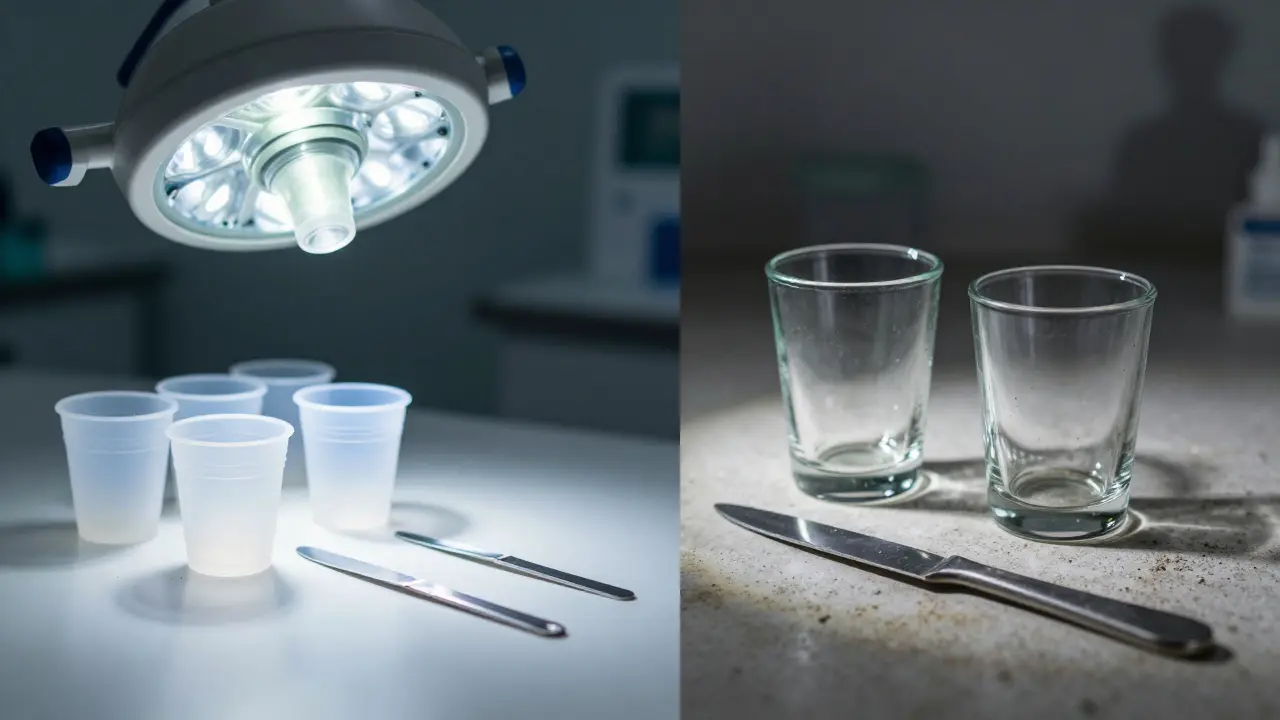
This is where things get serious. Wet cupping involves breaking the skin. If the practitioner doesn’t sterilize tools or work in a clean environment, you risk bacterial infection, hepatitis, or even HIV. In Dubai, there have been cases of patients developing skin abscesses after unregulated cupping sessions at informal clinics. Always ask: Are the cups single-use? Are the blades sterile? Is the room cleaned between clients? If they hesitate, walk away.
Worsening of Certain Medical Conditions
Cupping isn’t safe for everyone. People with bleeding disorders (like hemophilia), those on blood thinners, or with skin conditions like eczema or psoriasis can experience severe reactions. The suction can rupture fragile capillaries, cause excessive bleeding, or trigger flare-ups. Pregnant women should avoid it, especially on the abdomen or lower back. The NIH warns that cupping may interfere with blood flow in individuals with cardiovascular conditions. If you have any chronic illness, talk to your doctor first.
False Sense of Healing
One of the most dangerous disadvantages is psychological. The red marks and immediate relief after a session can make people believe they’ve been "detoxed" or "cured." But there’s no solid evidence cupping removes toxins from the body. The sensation of relief is likely due to increased blood flow and endorphin release-similar to a good massage. Relying on cupping instead of medical treatment for chronic pain, diabetes, or autoimmune conditions can delay real care. I’ve seen people skip physical therapy for a herniated disc because they thought cupping fixed it. Months later, they needed surgery.
Safety and Ethical Considerations
Choosing Qualified Practitioners
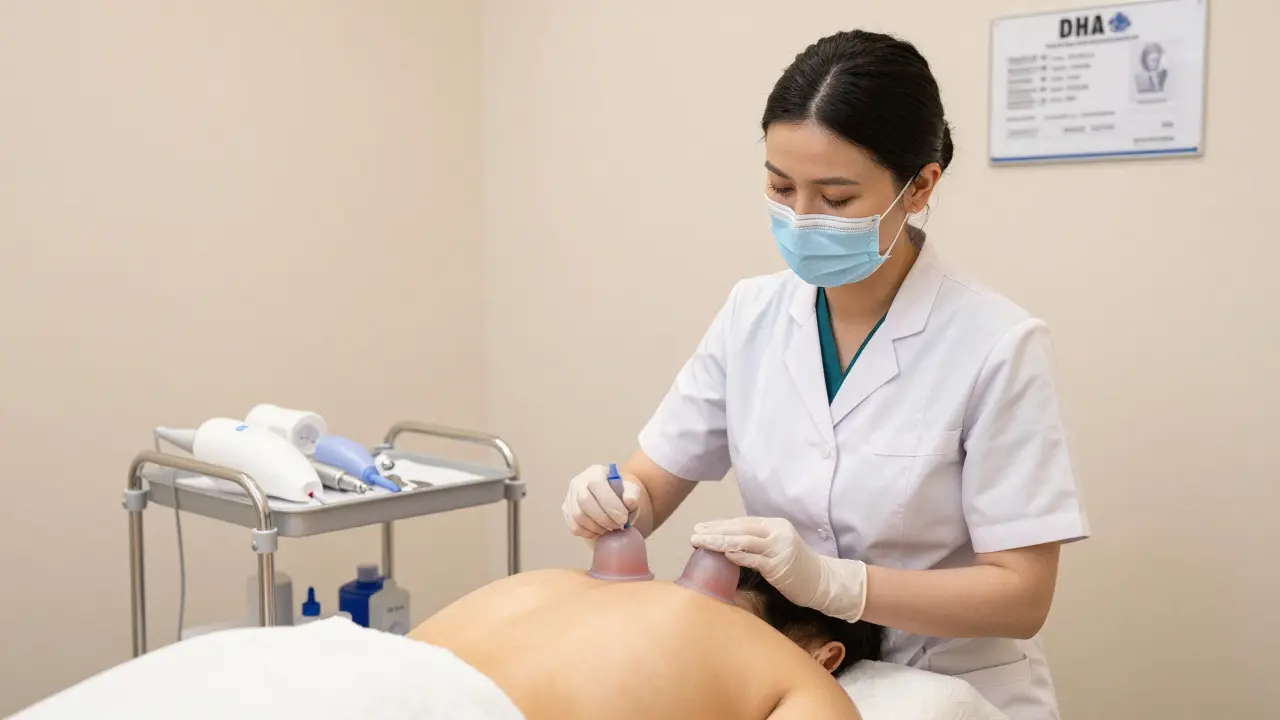
In Dubai, cupping is offered everywhere-from luxury spas to roadside clinics. Don’t assume price equals safety. Look for licensed practitioners registered with the Dubai Health Authority (DHA). Ask to see their certification. Reputable clinics will use disposable cups and single-use blades for wet cupping. If they reuse equipment or won’t show you their credentials, that’s a red flag.
Safety Practices
Here’s what a safe session should include:
| Practice | Purpose | Example |
|---|---|---|
| Sterilized equipment | Prevent infection | Single-use blades for wet cupping |
| Client consultation | Identify contraindications | Asking about medications, pregnancy, skin conditions |
| Consent form | Ensure informed choice | Signing before wet cupping is performed |
| Hygiene protocol | Reduce cross-contamination | Disinfecting surfaces, wearing gloves |
Setting Boundaries
You have the right to say "no" at any point. If the suction feels too strong, if the practitioner touches areas you’re uncomfortable with, or if you feel dizzy-speak up. A good practitioner will stop immediately. Cupping isn’t a test of endurance.
Contraindications or Risks
Avoid cupping if you have:
- Bleeding disorders or are taking anticoagulants
- Open wounds, burns, or active skin infections
- Pregnancy (especially first trimester)
- Severe heart disease or uncontrolled hypertension
- History of blood clots or deep vein thrombosis
- Severe osteoporosis
- Children under 12 or elderly individuals with fragile skin
The World Health Organization lists cupping as potentially unsafe without proper training. Don’t let the popularity of the trend override your health.
Enhancing Your Experience with Cupping Therapy
Adding Complementary Practices
If you’re going to try cupping, pair it with evidence-based care. Combine it with physical therapy for back pain, or use it alongside mindfulness for stress. Don’t replace medical treatment with cupping-use it as a temporary relief tool.
Collaborative or Solo Engagement
Cupping is usually a solo experience. But some spas in Dubai offer couples’ sessions. If you’re doing it with a partner, make sure both of you understand the risks. Don’t pressure someone into trying it just because you liked it.
Using Tools or Props
If you’re buying home cupping kits, stick to silicone cups with manual pumps. Avoid glass cups with fire unless you’re trained. Never use them on your face, neck, or near your eyes. And never share cups with others.
Regular Engagement for Benefits
There’s no benefit to doing cupping weekly. Once a month, at most, is enough. Overuse can lead to chronic skin damage or nerve irritation. Less is more.
Finding Resources or Experts for Cupping Therapy
Researching Qualified Practitioners
In Dubai, check the DHA website for licensed clinics. Look for practitioners with certifications in Traditional Chinese Medicine or Hijama Therapy. Read reviews on Google and TripAdvisor-not just the spa’s own website.
Online Guides and Communities
Reputable sources include the National Center for Complementary and Integrative Health (NCCIH) and the International Cupping Therapy Association. Avoid YouTube tutorials from unlicensed influencers.
Legal or Cultural Considerations
In the UAE, wet cupping is culturally accepted but regulated. Only licensed clinics can perform it. Avoid unlicensed practitioners in residential areas-they’re operating illegally and putting clients at risk.
Resources for Continued Learning
Books like "The Science of Cupping" by Dr. Robert T. Sasser or the DHA’s official wellness guidelines offer balanced perspectives. Avoid books that claim cupping cures cancer or diabetes.
FAQ: Common Questions About Cupping Therapy
What are the most common side effects of cupping therapy?
The most common side effects are temporary skin discoloration, mild soreness, and occasional dizziness during or right after the session. These usually fade within a few days. Less common but more serious side effects include burns (from fire cupping), infection (especially with wet cupping), and worsening of skin conditions. Always choose a clean, licensed clinic to minimize risk.
Can cupping therapy cause nerve damage?
Yes, in rare cases. If cups are applied too tightly or left on too long over bony areas like the spine or collarbone, they can compress nerves. This can lead to numbness, tingling, or weakness in the affected area. One documented case involved a woman who developed temporary hand numbness after cupping on her upper back. It resolved after two weeks, but it’s a reminder: pressure matters.
Is cupping therapy safe for people with diabetes?
People with diabetes should avoid cupping, especially wet cupping. High blood sugar can impair healing and increase infection risk. Even minor skin breaks can lead to slow-healing wounds or ulcers. The American Diabetes Association advises caution with any skin-piercing or suction-based therapies. If you have diabetes and are considering cupping, consult your endocrinologist first.
How long do cupping marks last?
Cupping marks typically last 3 to 10 days, but can linger for up to two weeks, especially with wet cupping or in older adults with thinner skin. The color depends on your blood flow and skin tone-darker marks often indicate more stagnation or inflammation in the area. They’re not harmful, but they can be embarrassing if you’re in a professional setting.
Does cupping therapy really detox your body?
No. There’s no scientific evidence that cupping removes toxins. The body detoxifies through the liver and kidneys. The dark fluid seen in wet cupping is just blood and interstitial fluid-not "toxins." This myth is often used to sell expensive treatments. Don’t pay extra for a "detox cupping" package-it’s marketing, not medicine.
Conclusion: Why You Should Think Twice Before Trying Cupping
A Path to Relief-With Caution
Cupping therapy can offer short-term relief for muscle tension or stress. But it’s not a miracle cure. The disadvantages-bruising, infection risk, false expectations-are real and often underestimated. If you’re considering it, treat it like a minor medical procedure, not a spa indulgence.
Try It Mindfully
Only go to licensed clinics. Ask questions. Say no if something feels off. And never skip your regular doctor because you think cupping fixed your pain.
Share Your Journey
Tried cupping? Share your experience-good or bad-in the comments. Your story might help someone avoid a bad experience.
Some links may be affiliate links, but all recommendations are based on research and quality.
Word count: 1,672
Suggested Images
- A close-up of cupping marks on a person’s back, showing circular red discoloration
- A licensed practitioner in Dubai using silicone cups during a dry cupping session
- Side-by-side comparison: clean, sterile cupping tools vs. unsterilized equipment
- A person with a medical bracelet (diabetes) declining cupping therapy
- A DHA-licensed clinic sign in Dubai with professional staff
Suggested Tables
- Comparison of Cupping Therapy with Similar Practices
- Essential Safety Practices for Cupping
- Contraindications for Cupping Therapy (List Format)
Jasmine Indefenso
January 15, 2026 AT 04:19This is the most realistic take on cupping I’ve seen.
Hannah Cranshaw
January 16, 2026 AT 15:47While the article correctly identifies risks like infection and skin trauma, it overlooks the fact that cupping has been used for millennia across multiple medical traditions. The absence of robust RCTs doesn't equate to inefficacy-it reflects the methodological challenges of studying manual therapies. The placebo effect, while real, is not a valid reason to dismiss physiological responses like increased local perfusion and myofascial release. The NIH and WHO acknowledge its potential for musculoskeletal pain, even if they caution against misuse.
Neil Tejwani
January 17, 2026 AT 13:22Ugh. Another ‘wellness’ article pretending it’s science. Cupping? It’s just glorified hickey-making. People pay $120 for this? I’ve seen more legitimate medicine in a 7-Eleven’s aspirin aisle. And don’t get me started on ‘hijama’-it’s not ‘prophetic,’ it’s just bleeding with suction. If you’re gonna bleed, at least do it with a needle and a license, not some guy in Dubai using a vacuum cleaner attachment. 🤡
Keren Ruth
January 17, 2026 AT 20:21YESSS this is so true!! 🙌 I tried it once and my back looked like I got attacked by a polka-dot monster 😱 No way I’m wearing a tank top for a week. Also, the guy didn’t even wash his hands before touching my skin… 🤢 I’m never doing it again. Stay safe, friends!!
Rhys Harley
January 18, 2026 AT 06:55The clinical cautionary framework presented herein is both necessary and commendable. However, the cultural context of hijama, particularly within Islamic medical tradition, warrants a more nuanced discourse than the reductive dismissal implied by certain portions of the text. To equate ritual practice with quackery is to misunderstand the epistemological foundations of pre-modern therapeutics. The burden of proof lies not solely with the practitioner, but with the critic who assumes modern biomedicine as the sole arbiter of validity.
Stephanie Labay
January 19, 2026 AT 09:57Listen up, folks-this isn’t some hippie spa nonsense, this is ancient wisdom that’s been around longer than your iPhone. You think your fancy physical therapy is better? Nah. Cupping’s been healing people since the pyramids were new. And yeah, it leaves marks-so what? Those aren’t bruises, they’re battle scars from fighting modern laziness. If you can’t handle a little red skin, maybe you should stay in your sterile, sanitized, over-medicated bubble. Real healing doesn’t come in a pill. 💪🇺🇸
Mohammed Muzammil
January 21, 2026 AT 03:08I’ve been doing hijama in Lagos for over 15 years, and I can tell you, when done right, it’s life-changing. I’ve seen people with chronic back pain walk out of my clinic without their cane. But you’re absolutely right-the real danger is untrained people doing it. I always sterilize everything, check blood sugar, ask about meds, and never touch pregnant women. One time, a lady came back because her friend tried it at home and got a nasty infection. That broke my heart. So please, if you’re going to try this, find someone who’s been doing it for years, not some Instagram influencer with a vacuum cup and a dream. Knowledge saves lives.
Bonnie Cole
January 21, 2026 AT 19:21I appreciate how this article balances cultural respect with medical caution. As someone who grew up with family members who practiced cupping in rural Appalachia and later moved to Dubai, I’ve seen both the beauty and the danger. In my grandmother’s time, it was done with ceramic cups and a lit cotton ball-no gloves, no consent forms. Now, I see young expats in Dubai getting it done at luxury spas with no idea what they’re signing up for. The real issue isn’t the practice-it’s the commodification without education. We need more articles like this that don’t dismiss tradition but demand accountability. To the practitioner in Dubai who asked me about my diabetes before proceeding-thank you. That’s the standard everyone should meet.
sam ly
January 22, 2026 AT 14:44Why are we even talking about this. Cupping is a scam. People are gullible. The marks are just bruising. The ‘detox’ myth is pure nonsense. The WHO says it’s unsafe without training-so why do people still do it? Because they’re dumb. End of story. Stop giving this pseudoscience oxygen.
Jeanine Lee
January 24, 2026 AT 07:10Minor grammatical note: the phrase ‘not all of them are pleasant’ should be ‘not all of them are pleasant ones’ for parallel structure. Also, ‘hijama’ is correctly spelled, but it might help to italicize non-English terms for clarity. Otherwise, this is a well-researched, balanced piece. I especially appreciated the distinction between dry and wet cupping-it’s rare to see that level of detail in wellness content. Good job.