Cupping Side Effects: What You Need to Know Before Trying It in Dubai
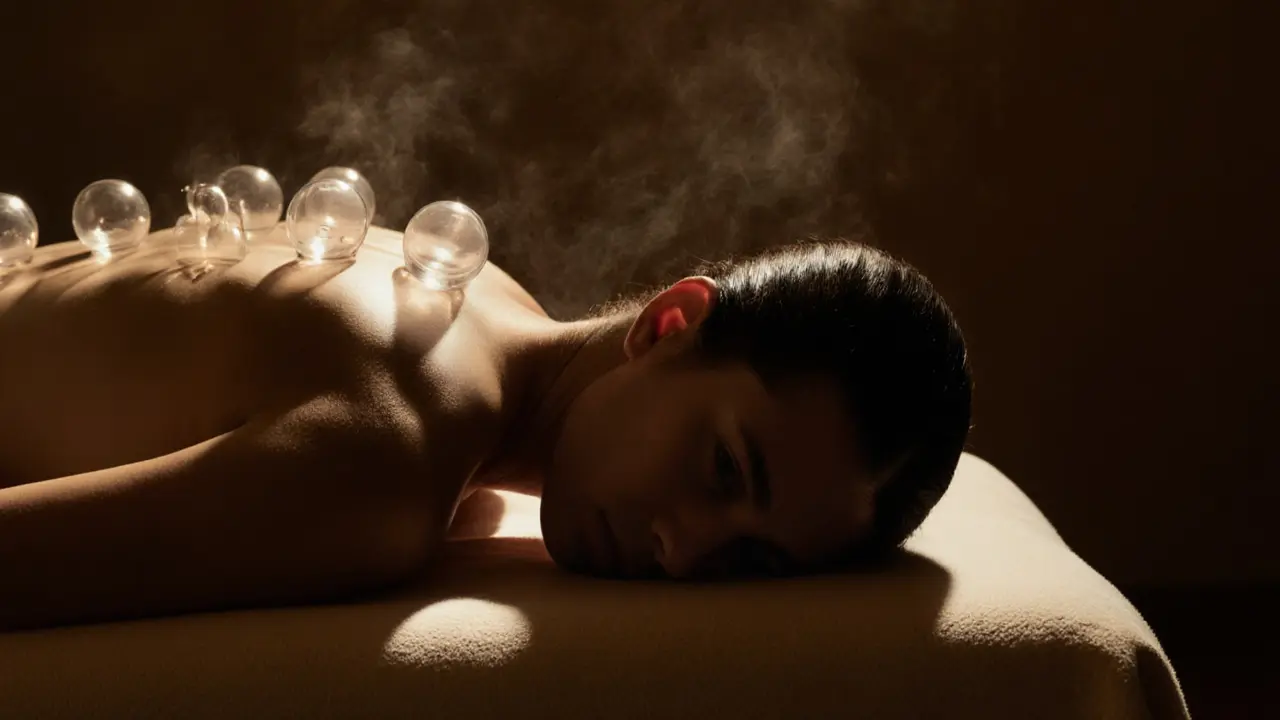
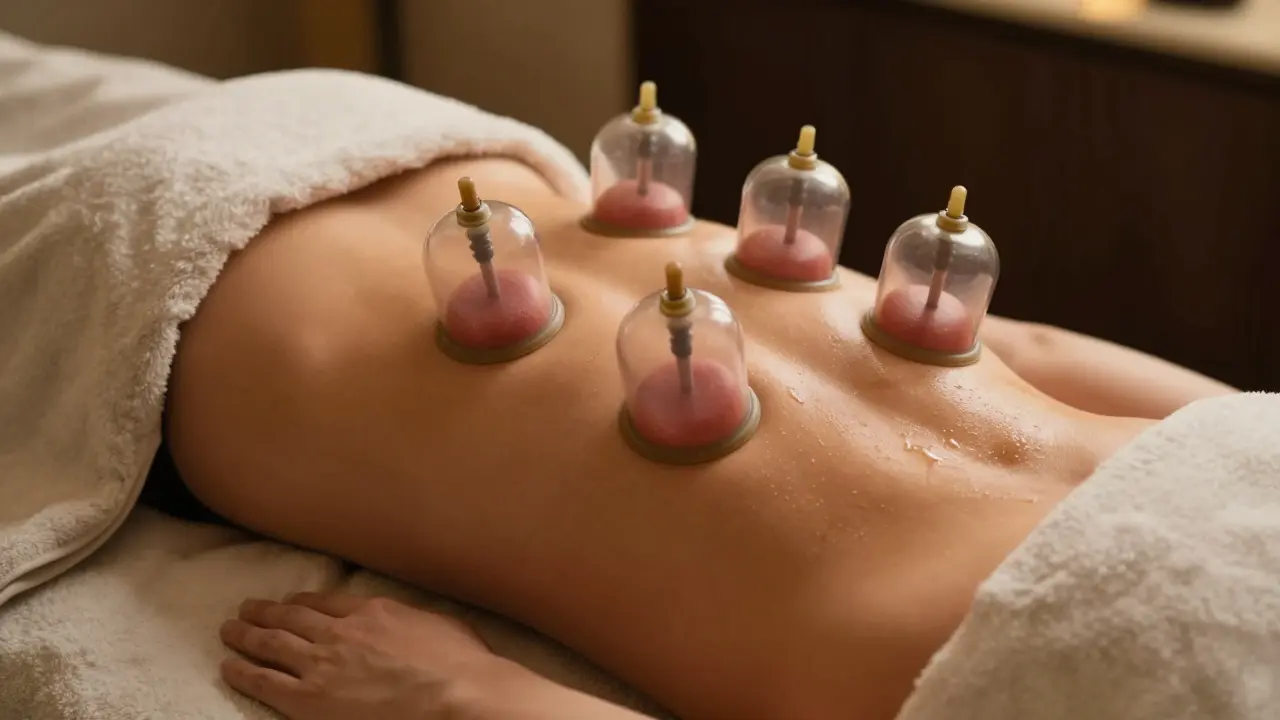
When you hear cupping therapy, a traditional healing method that uses suction cups to pull skin and tissue upward. Also known as hijama, it’s been used for centuries across the Middle East and Asia to ease pain, reduce inflammation, and boost circulation. In Dubai, it’s not just a cultural practice—it’s a growing part of modern wellness routines. But like any hands-on treatment, it comes with cupping side effects, temporary physical reactions that can include bruising, soreness, or dizziness. Most people brush them off as normal. But knowing which ones are harmless—and which ones mean you should stop—can save you from unnecessary discomfort or risk.
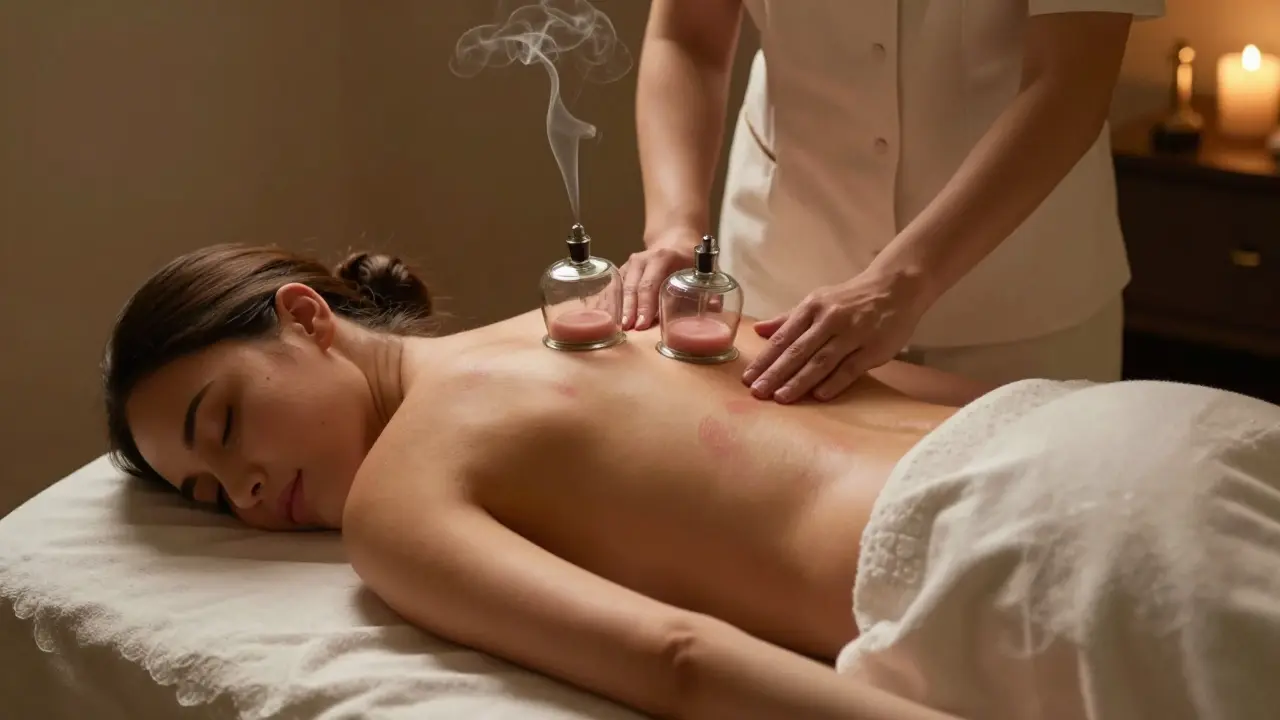
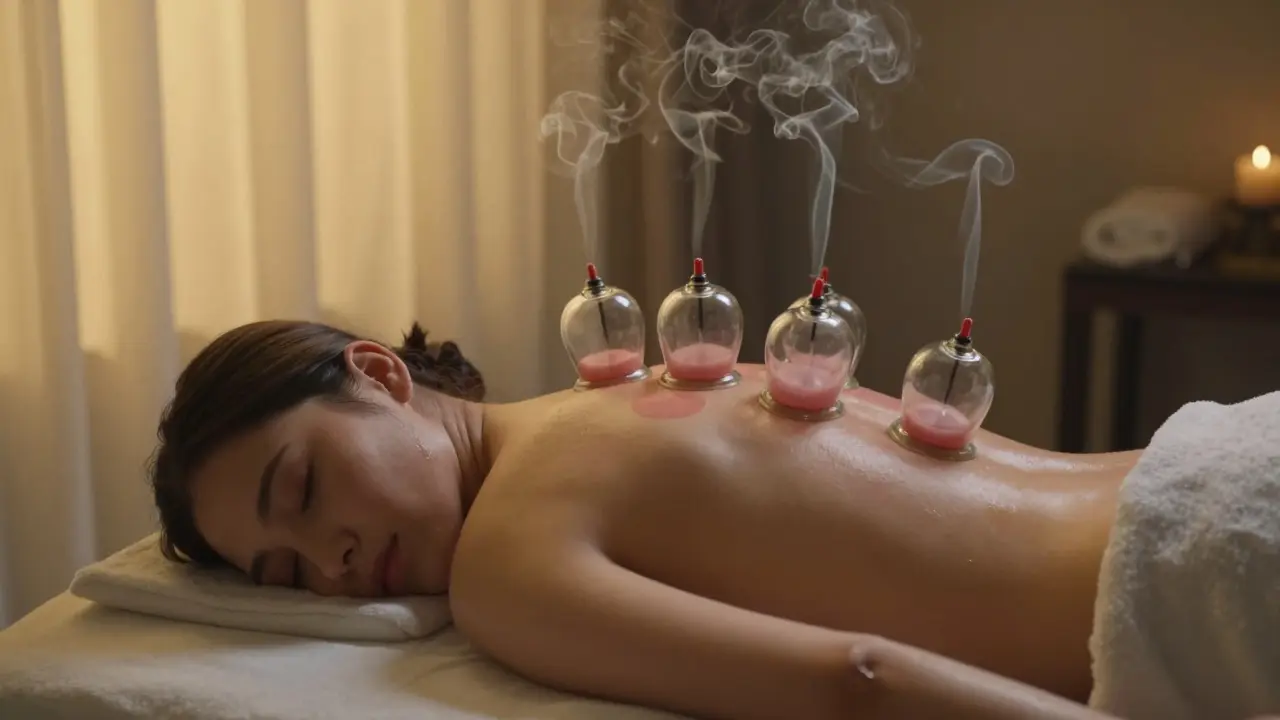
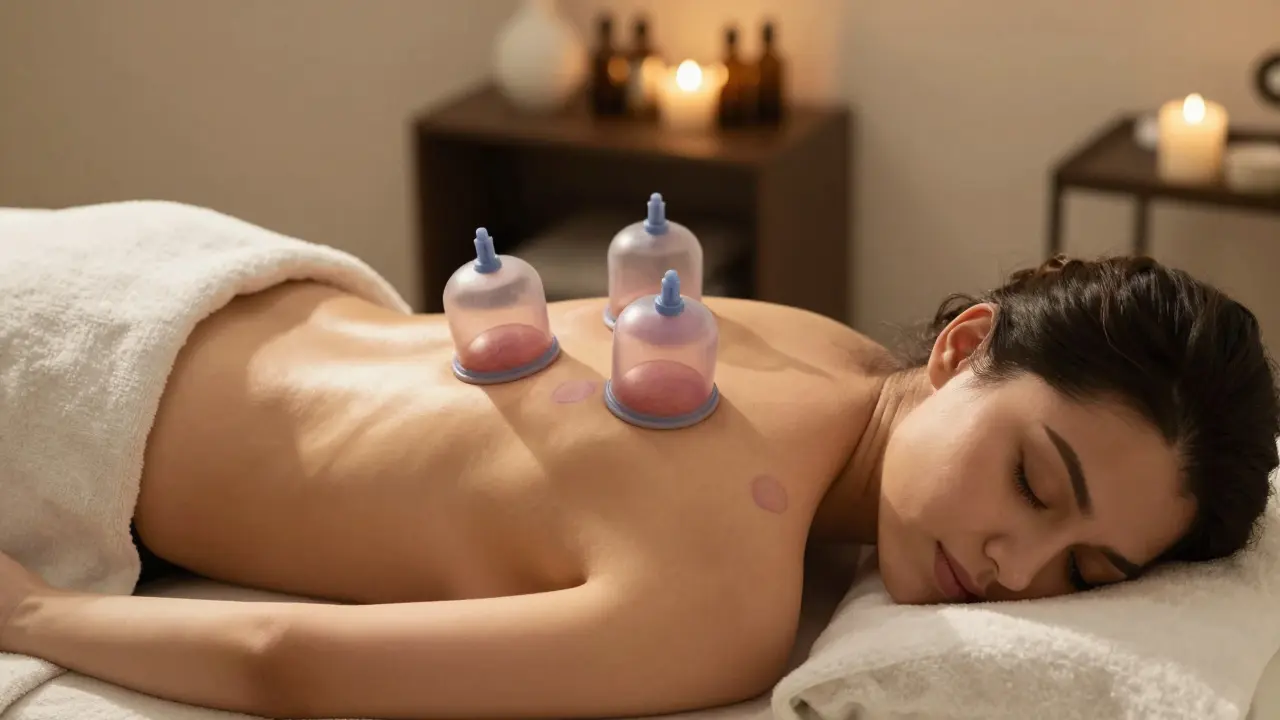
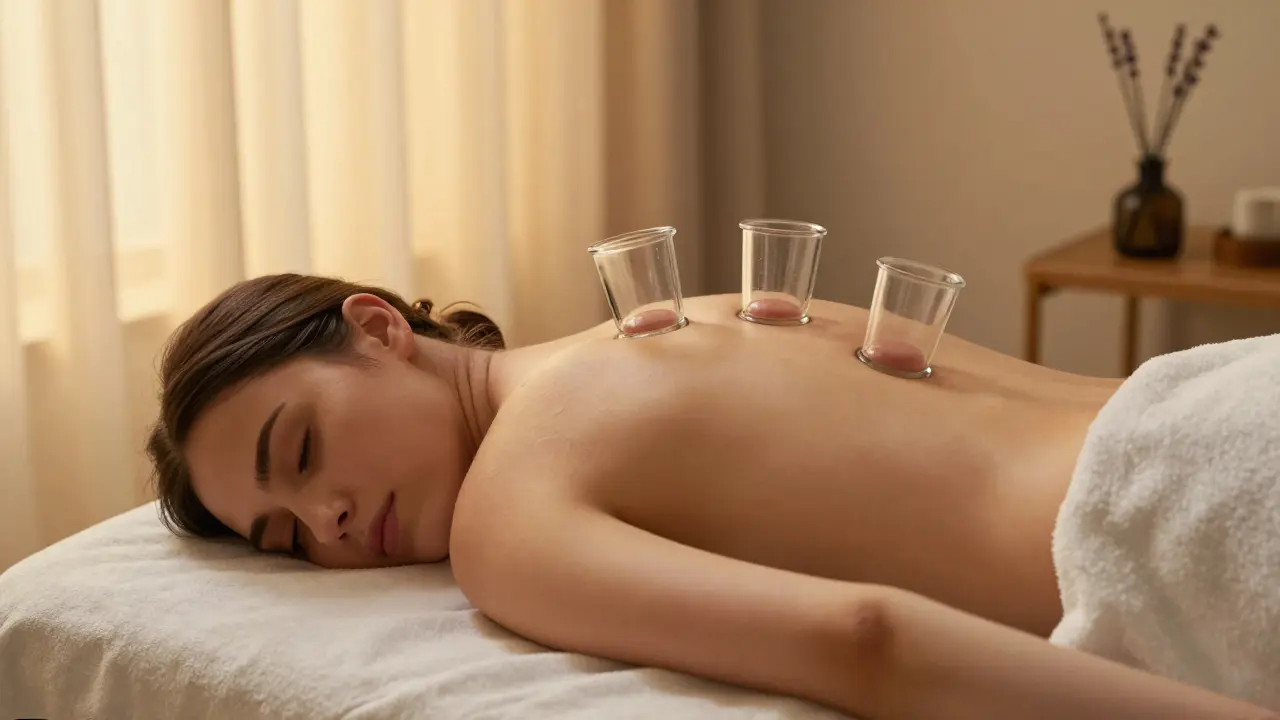
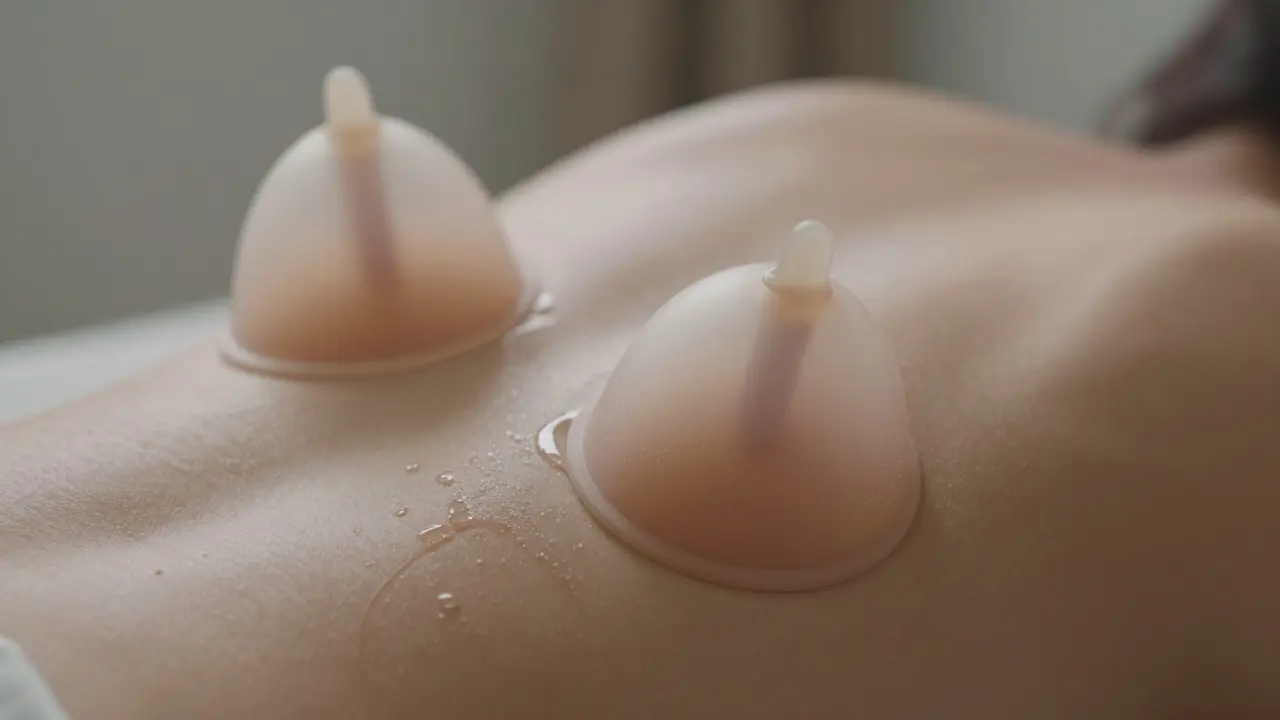
One of the most common cupping side effects, the circular marks left on the skin after suction looks like a bruise. It’s not a bruise, though. It’s blood drawn to the surface from the vacuum pressure. These marks fade in 3 to 10 days and usually don’t hurt. But if you’re on blood thinners, have a bleeding disorder, or are pregnant, these marks can become more than cosmetic—they can be dangerous. cupping therapy, a traditional healing method that uses suction cups to pull skin and tissue upward should never be done on open wounds, burns, or inflamed skin. And if you feel lightheaded, nauseous, or break out in a cold sweat during the session, speak up. That’s not normal. That’s your body saying it’s overwhelmed.
Some people swear by cupping for muscle recovery, the process of reducing soreness and restoring mobility after physical stress. Athletes in Dubai use it after long runs or intense training. But it’s not magic. It doesn’t fix torn muscles or replace physical therapy. It just helps with tension and blood flow. And if you’re thinking of trying it at home with a cheap kit? Be careful. Without proper training, you can cause nerve damage, skin burns, or infections. Even in high-end spas, make sure the practitioner uses disposable cups and sanitizes everything. A clean session matters more than the price tag.
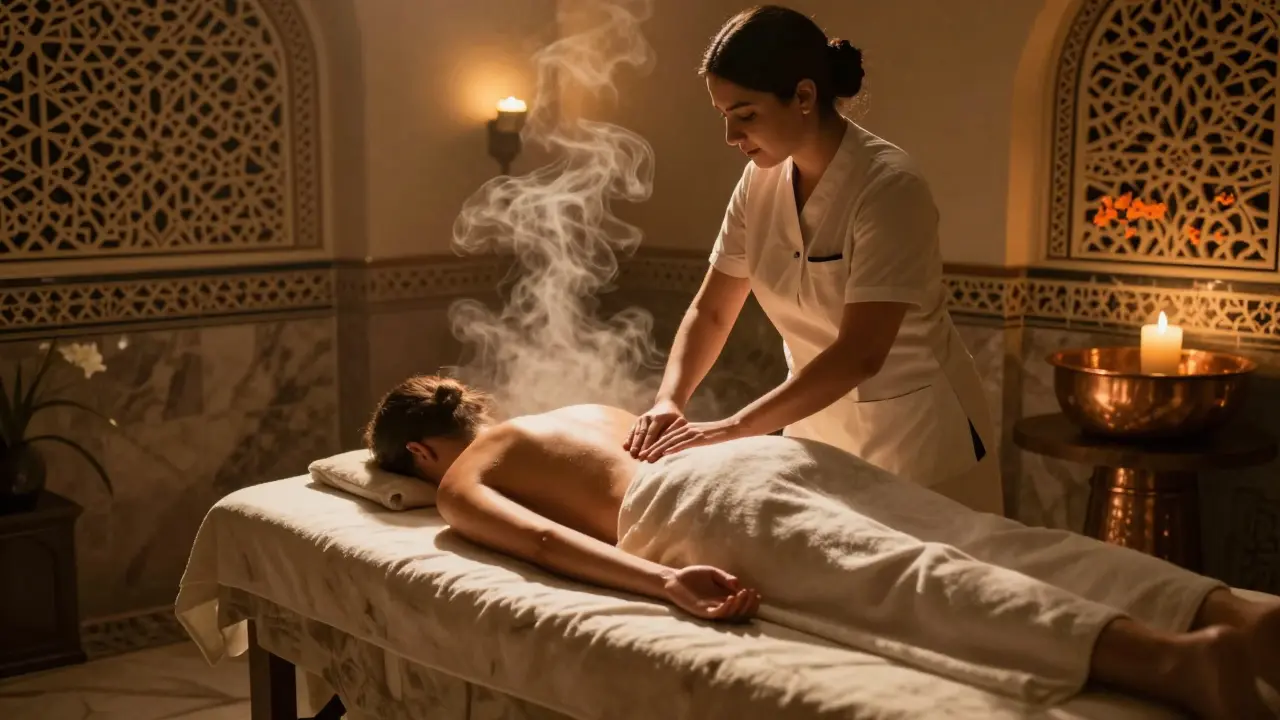
There’s also the question of timing. Don’t do cupping right after a heavy meal, a long workout, or a night out. Your body’s already working hard. Adding suction on top of that can push you past your limit. And if you’re going to try it after a Moroccan bath or sauna? Wait at least a few hours. Your skin’s already sensitive. Add cupping too soon, and you’re asking for irritation.
What you’ll find below isn’t a list of myths or hype. It’s real experiences from people who’ve tried cupping in Dubai—some loved it, some regretted it. You’ll see what the experts say about recovery, who should skip it entirely, and how to spot a professional who knows what they’re doing. No fluff. No sales pitch. Just what actually happens when you try cupping therapy—and how to do it without ending up worse than when you started.